


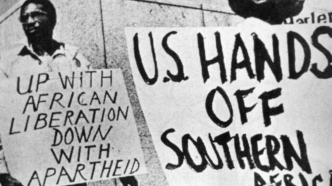
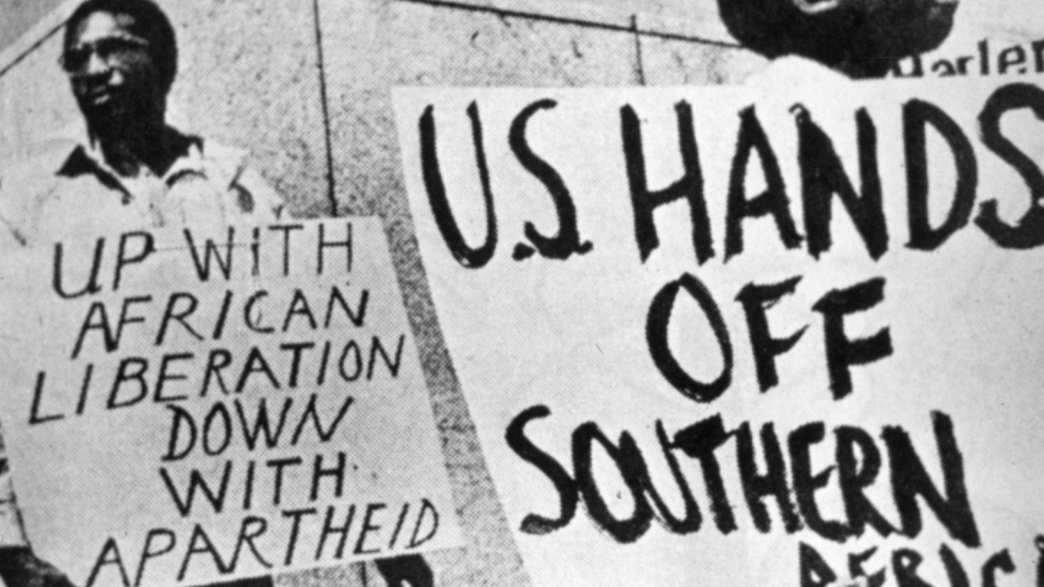
Between 1948 and 1994, racial segregation was legal in South Africa. During this era, there was white minority rule, and the Black majority were suppressed.
There was separation in use of public facilities and residential segregation. Non-white South Africans were denied the vote, forced to live in designated “homelands”, and faced severe restrictions on movement, employment, and education.
The struggle against apartheid in South Africa moved from being a domestic fight to becoming a continental mission. 
Many African nations saw apartheid not only as racial oppression but also as a direct insult to African dignity and independence. Hence, many African nations pulled their resources to stop the atrocities against their siblings. There was the ideology, propounded by Kwame Nkrumah, that no African nation is truly free until all are free.
SEE ALSO: Violence Rises in South Africa Over Anti-Nigerian Protests
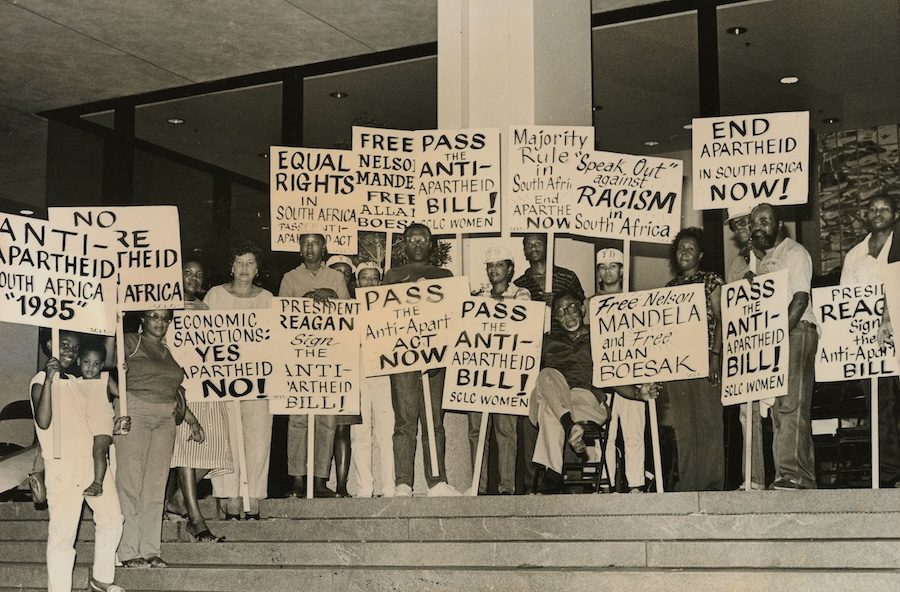
Here’s how other African countries played crucial roles:
Provision of Safe Havens for Freedom Fighters
When South African liberation movements such as the African National Congress (ANC) and the Pan Africanist Congress went into exile, other countries accommodated them.
They found refuge in countries that had only recently fought their own independence wars. Tanzania, under Julius Nyerere, became a political sanctuary for them. Zambia quietly transformed into a command centre for exiled leadership. Angola and Mozambique also became their frontline rear bases.
Military Training and Armed Support
African states like Angola, Zimbabwe and Algeria actively supported armed resistance. They hosted the ANC’s armed wing and allowed training and coordination of South African fighters in guerrilla tactics. They provided space, cover, and sometimes training grounds for guerrilla operations.
Diplomatic Pressure and International Advocacy
The diplomats did their own fighting in conference halls. African countries used global platforms to isolate apartheid South Africa. They formed the Liberation Committee through the Organisation of African Unity (OAU), which became a coordination hub for political, financial, and logistical support to liberation movements.
They didn’t stop at that. They pushed the United Nations to impose sanctions and declare apartheid a crime against humanity.
Julius Nyerere, the then president of Tanzania, and Kenneth Kaunda from Zambia were the most vocal.
Economic Sacrifice
Frontline states paid a heavy price they never budgeted for. In Botswana, Lesotho, and Swaziland, there were cross-border raids, economic sabotage, and military intimidation from apartheid forces. They practically risked their own national survival.
Hosting Refugees and Students
Nigeria emerged as a major political and financial supporter of anti-apartheid efforts. It gave scholarships to South African students. Additionally, Ghana and Ethiopia also hosted exiles and activists.
Cultural and Economic Boycotts
African countries led a global boycott for South Africa. They cut sports and cultural ties with apartheid South Africa. This pressure from African countries helped fuel global campaigns that eventually led to widespread sanctions in the 1980s.
Countries opened their borders, strained their economies, and risked retaliation so that apartheid could not outlive its time. The current xenophobic attacks targeting fellow Africans begs the question: what happens when a country forgets the hands that once held it up?

About The Author