



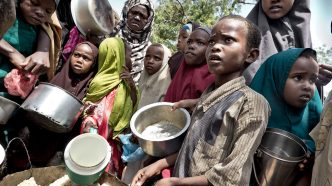
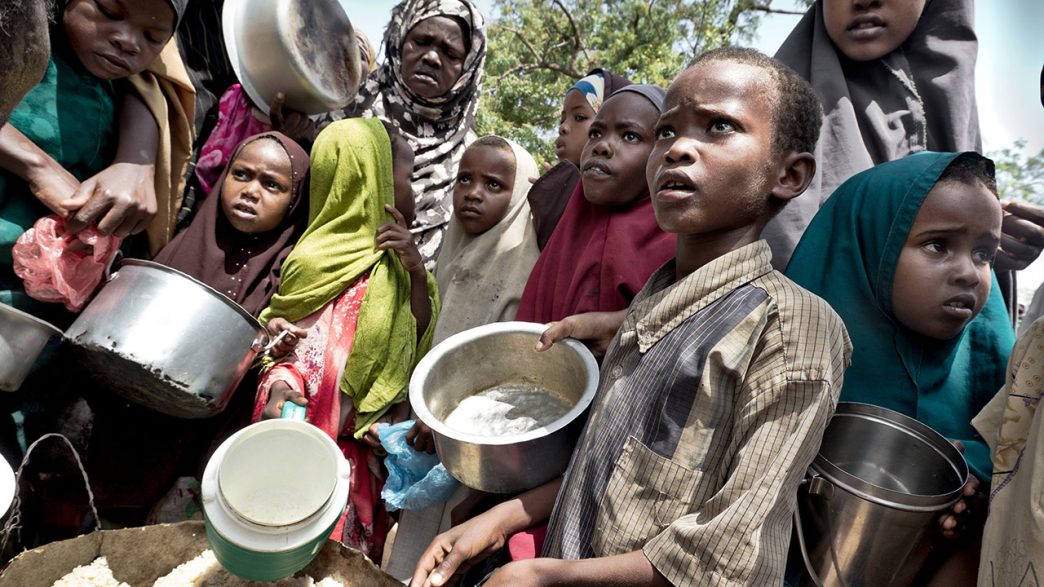
The Global Network Against Food Crises has released the Global Report on Food Crises (GRFC) 2026. This is the 10th edition of the annual analyses. The Global Network Against Food Crises partners with UN agencies like FAO and WFP to provide consensus-based data on acute food insecurity.
Acute food insecurity simply means short-term severe hunger, in which people face significant food gaps, malnutrition risks, or worse.
The Integrated Food Security Phase Classification (IPC) is the global standard for measuring food insecurity. There are five phases used to measure, including: 
- Phase 1 (Minimal): This face means the people can meet basic needs without stress.
- Phase 2 (Stressed): Here, food is adequate, but basic non-food needs are unmet without coping.
- Phase 3 (Crisis): This is where it starts to become alarming. Here, there are food gaps or reliance on harmful coping. There are also cases of rising malnutrition.
- Phase 4 (Emergency): This phase has severe food gaps, very high malnutrition, and increased deaths.
- Phase 5 (Catastrophe/Famine): Here, there is extreme deprivation leading to starvation and death. Catastrophe affects individual households. Famine is declared at the area level when extreme hunger, high child malnutrition (>30%), and elevated death rates occur.
Major Highlights from GRFC 2026
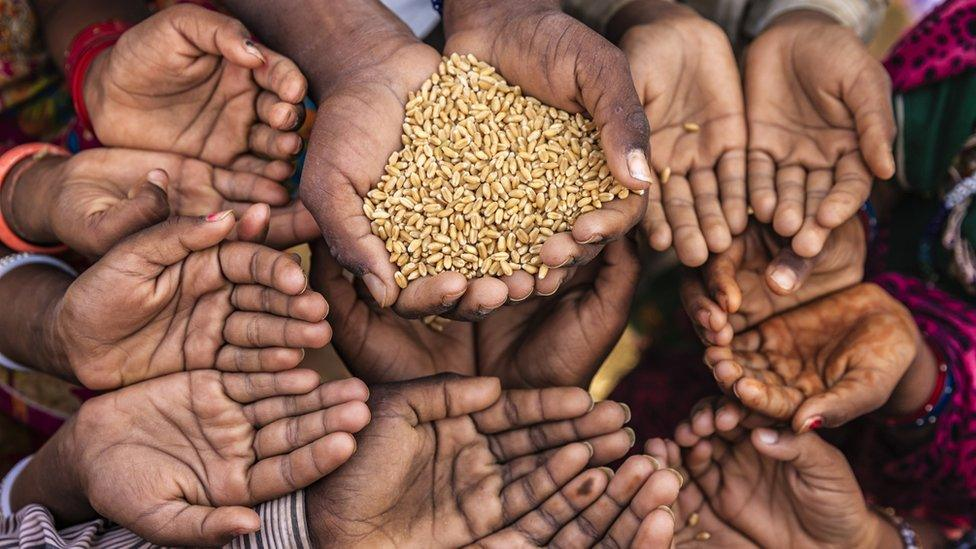
- According to the Global Report on Food Crises, 266 million people across 47 countries/territories faced high levels of acute food insecurity. This number represents about 22.9% of the analysed population. Although numbers vary with the change of countries analysed and data availability, the numbers have nearly doubled since 2016.
- The top 10 countries, out of the 47, accounted for about two-thirds of all people in the Phase 3+ crisis (populations facing high levels of acute food insecurity).
- In parts of the Gaza Strip and Sudan, too, famine (Phase 5) was confirmed for the first time in the report’s history. Around 1.4 million people faced Catastrophe (Phase 5) across six contexts. Risks of famine persist into 2026 in Gaza, Sudan, and South Sudan.
- Conflict and insecurity (majorly), weather extremes/climate shocks (droughts, floods, La Niña/El Niño effects), and economic shocks (inflation, currency issues) are the causes of the food crisis. These often overlap, with displacement worsening the situation. Over 80% of affected people are in long-term crises.
SEE ALSO: Nigeria Set to Gain as U.S. Reopens $15bn Trade Channel
10 African Countries Contributing to the Global Food Crisis
African countries feature prominently among the global hotspots. Acute hunger is heavily concentrated in conflict-affected areas of Africa. According to the report, the Democratic Republic of the Congo, Nigeria, and Sudan alone represent nearly one-third of the people facing high levels of acute food insecurity in 2025. Here are 10 African countries contributing to global food crisis
Nigeria
Nigeria has approximately 30.6 million people in Phase 3 and Phase 4, which is one of the highest globally. The drivers include conflict, especially in the northeast, economic challenges like currency devaluation, and insecurity, which disrupts farming and markets. Nigeria often ranks at or near the top in absolute numbers since 2016.
Democratic Republic of the Congo (DRC)
Approximately 27.7 million people are suffering from the food crisis. As a result of conflict, displacement, and insecurity in eastern regions, particularly North Kivu, South Kivu, and Ituri, the food situation has deteriorated into one of the world’s worst hunger crises, characterised by severe shortages, soaring prices, and widespread famine risks.
Sudan
About 24.6 million people are facing high levels of acute food insecurity, with confirmed famine in some areas (e.g., parts of Darfur). The drivers of food insecurity are the ongoing civil war, displacement (millions of IDPs), and restricted humanitarian access.
South Sudan
Approximately 7.7 million, which is about 57% of the country’s total population, face high levels of acute food security. Conflict, flooding, and economic issues are the major drivers of the insecurity; famine risk persists in 2026.
Somalia
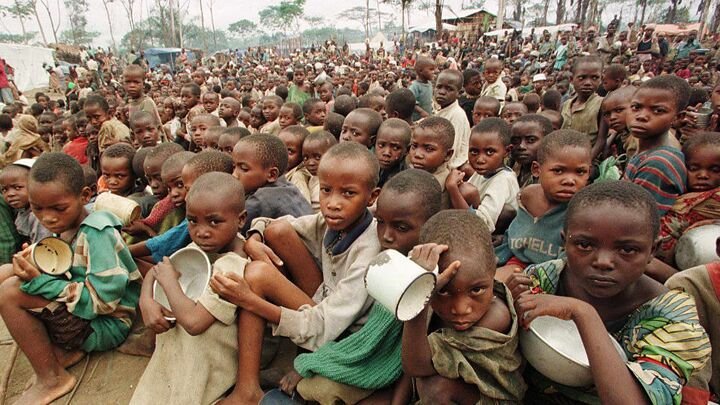
Failed rains, drought, and insecurity have pushed Somalia into severe hunger (IPC Phase 4), with crop losses up to 83%. About 6.5 million people face crisis-level hunger, including 1.8 million malnourished children. Conditions are expected to worsen into 2026, making Somalia a key driver of East Africa’s food crisis.
Ethiopia
Climate extremes (drought–flood cycles) and insecurity continue to disrupt livelihoods in Ethiopia, significantly increasing East Africa’s ~87 million people at risk of hunger. Drought in southeastern areas, conflict, and slow recovery from past shocks are driving high food insecurity, with millions (estimated 8–16 million) needing assistance despite data gaps
Kenya
Failed rains, especially in eastern areas, alongside drought, insecurity, high food prices, and reduced aid, are set to worsen food insecurity in 2026, with about 4.1 million people in crisis-level hunger. Kenya shows how climate shocks can push even relatively stable countries into IPC Phase 3 or worse, adding to the Horn of Africa’s growing food crisis.
Malawi
High food inflation and climate shocks (droughts and floods) are driving food insecurity in Malawi, with about 4 million people in crisis-level hunger. The country highlights how weather extremes and economic pressures strain rain-fed agriculture, contributing to rising hunger even outside conflict zones.
Chad
Conflict (including spillover from Sudan), displacement, and climate shocks are driving food insecurity in Chad, with about 1.9 million people in crisis-level hunger and high malnutrition rates. The country reflects Sahel-wide pressures where conflict, climate stress, and refugee inflows strain resources and deepen regional hunger.
Niger
Conflict, displacement (over 1 million people), climate shocks, and weak agricultural output are driving Crisis-level hunger, with about 1.9–2.5 million people needing assistance. Niger reflects the protracted Sahel crisis, where insecurity and market disruption deepen food shortages and strain regional systems.
For 2026 outlooks: Conditions are expected to remain critical in many regions due to ongoing conflicts, such as in Sudan and the Sahel. Climate variability, like failed rains in the Horn of Africa, reduced humanitarian funding, and economic pressures, is likely to worsen the situation. Nigeria, for example, faces potential further increases. Some areas may see marginal improvements with better harvests, but protracted crises dominate (33 out of 47).

About The Author