



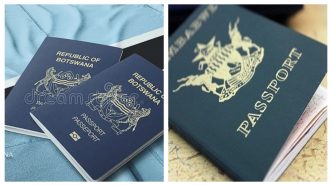
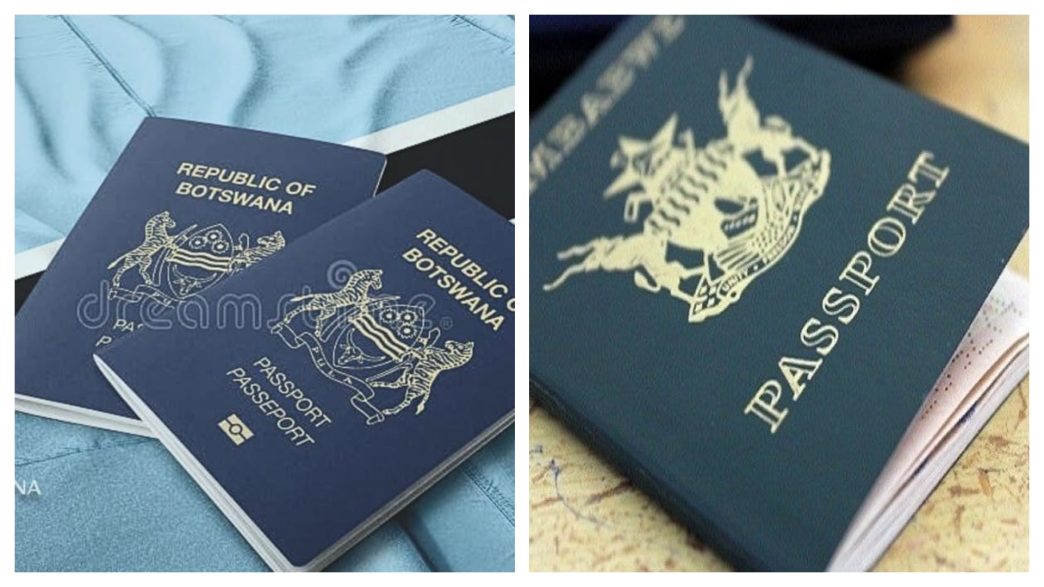
Zimbabwe and Botswana are negotiating a historic agreement that would allow citizens to travel between both countries using only national ID cards instead of passports.
President Emmerson Mnangagwa and Duma Boko confirmed the plan during the fifth session of the Zimbabwe–Botswana Bi-National Commission in Harare. 
According to the South African Broadcasting Corporation, the bilateral talks also produced several cooperation agreements aimed at easing the movement of people, goods, and services across their shared border.
Speaking on the agreement, Mnangagwa stressed its economic value, saying, “This arrangement will support the smooth movement of our people and goods, strengthen trade, and deepen our long-standing bilateral relations.”
Boko echoed the same view and framed the policy as part of a broader regional vision. “We are committed to removing barriers that prevent our citizens from moving freely. This is a concrete step toward regional integration and shared prosperity,” he said.
Beyond mobility, the two leaders signed agreements on defence cooperation, cross-border security, and investment promotion, showing a broader push to align the economic and security priorities of neighbouring states
READ ALSO: 4 New Changes South Africa Is Making To Its Visa and Refugee Policies

The Zimbabwe-Botswana initiative reflects a wider continental shift toward relaxed travel restrictions as African economies look inward for growth.
In Ghana, policymakers have taken steps to expand visa-free access for African nationals, positioning the country as a hub for business, tourism, and diaspora engagement. This policy direction aligns with Accra’s broader goal of boosting intra-African trade and attracting investment by lowering entry barriers.
Likewise, Kenya has aggressively liberalised its travel policies. Since 2024, Kenya has gradually eased entry rules and, by 2025, granted visa-free access to most African travellers.
These changes aim to reduce friction for business travellers and tourists while strengthening Kenya’s role as a regional transport and commercial hub.
These efforts align with the goals of the African Continental Free Trade Area, which seeks to reduce tariffs and promote freedom of movement an important step toward unlocking the full potential of a single African market.
By easing travel restrictions, governments hope to encourage cross-border investment, expand trade in services, and improve labour mobility—three key pillars of stronger economic integration across the continent.

About The Author