


In recent years, several large corporations have faced lawsuits over claims that their products contained or were linked to cancer-causing substances. These cases came up after reports, lab testing, and consumer complaints raised concerns about chemical exposure in everyday products.
Below are some companies accused of cancer-related cases.
1. Starbucks
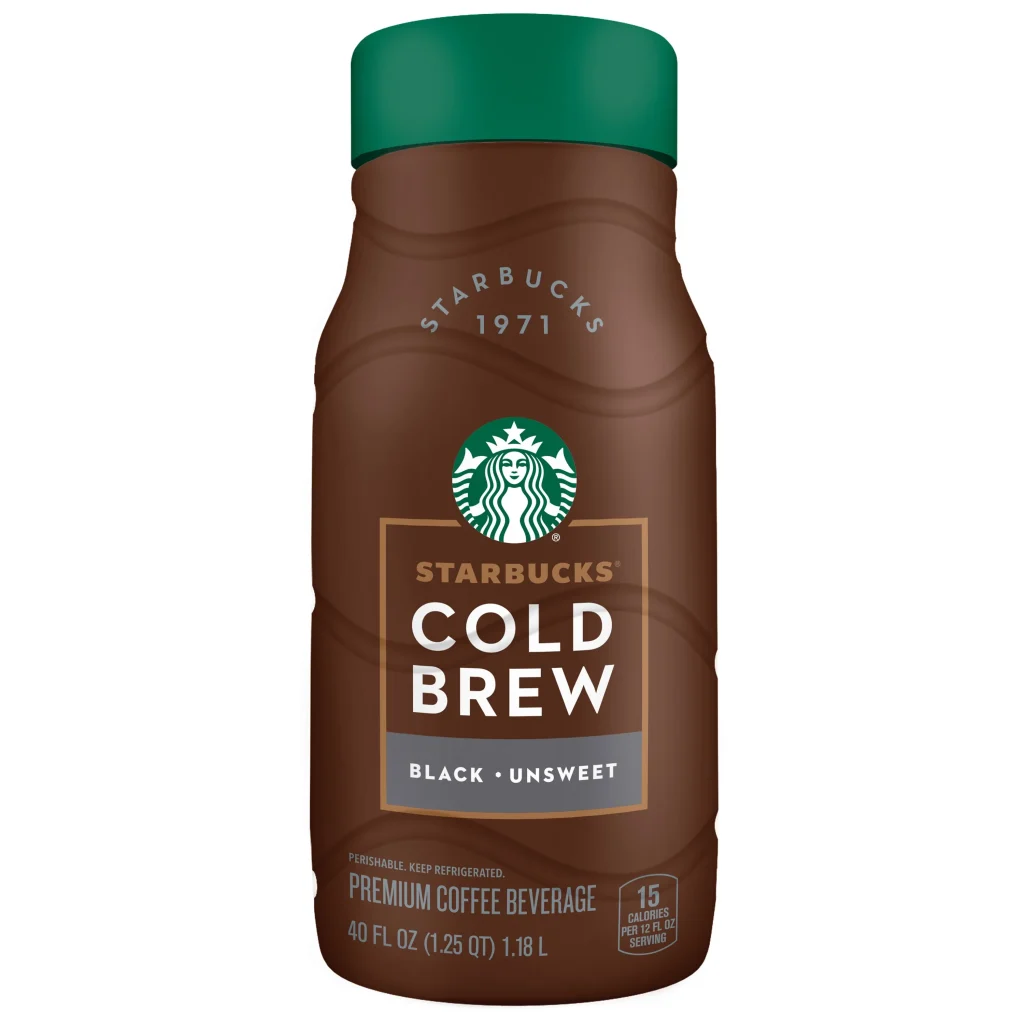
In 2010, the Council for Education and Research on Toxics (CERT) filed a lawsuit against Starbucks in California under Proposition 65. The group argued that coffee contained acrylamide, a chemical that forms during roasting, and claimed the company failed to warn consumers about possible cancer risks.
Coffee beans produce acrylamide during roasting, and other foods also produce it when cooked at high temperatures. 
In 2019, the California Office of Environmental Health Hazard Assessment introduced a “coffee regulation” that stated coffee does not pose a significant cancer risk that requires warning labels. This development strongly influenced the case.
By 2022, the court ruled in favor of Starbucks and other coffee companies, stating that coffee does not require cancer warnings under Proposition 65.
2. Banana Boat
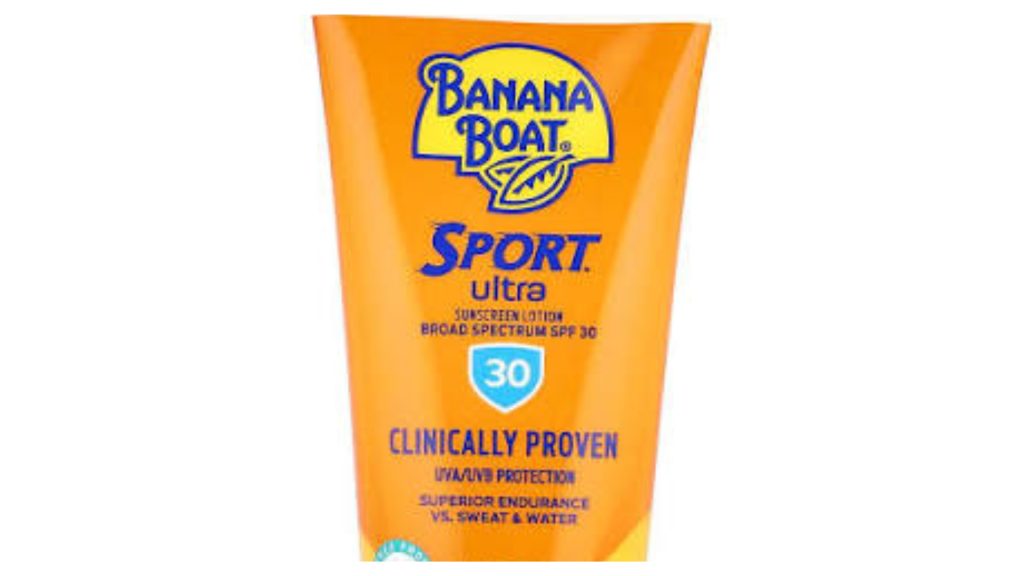
Banana Boat faced legal action after independent tests detected benzene, a known carcinogen, in some sunscreen batches. Plaintiffs claimed the company sold contaminated products to consumers.
Edgewell Personal Care Company later recalled three batches of Banana Boat sunscreen after the discovery.
Investigators found benzene in Banana Boat Hair & Scalp Spray SPF 30. Benzene exposure has no safe level, and people can absorb it through inhalation, ingestion, or skin contact. Health authorities link benzene exposure to cancers such as leukemia and bone marrow disorders.
Reports confirmed that benzene did not appear as an ingredient in the product. Instead, investigators traced it to contamination in the propellant used in aerosol sprays.
3. Cheerios
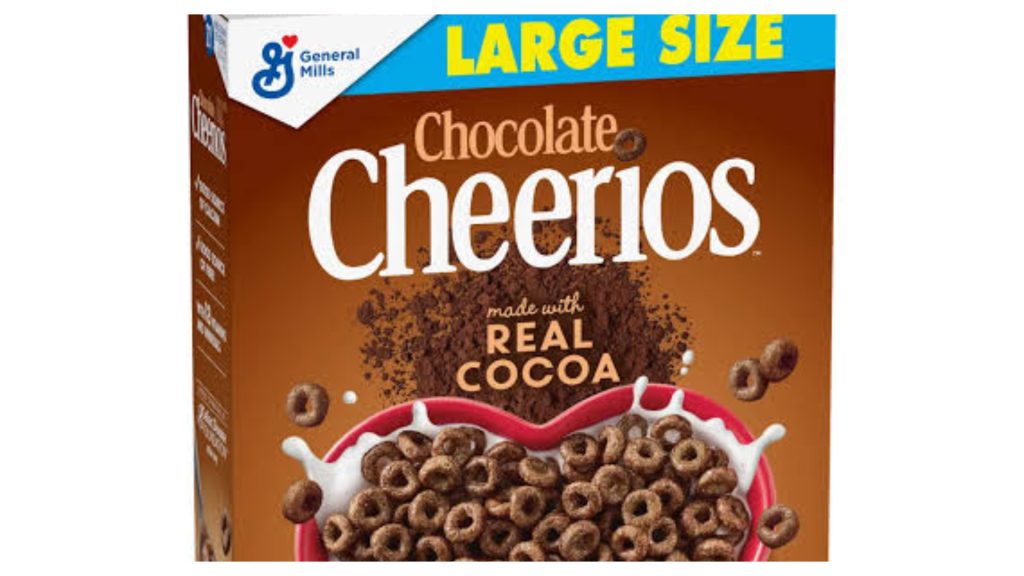
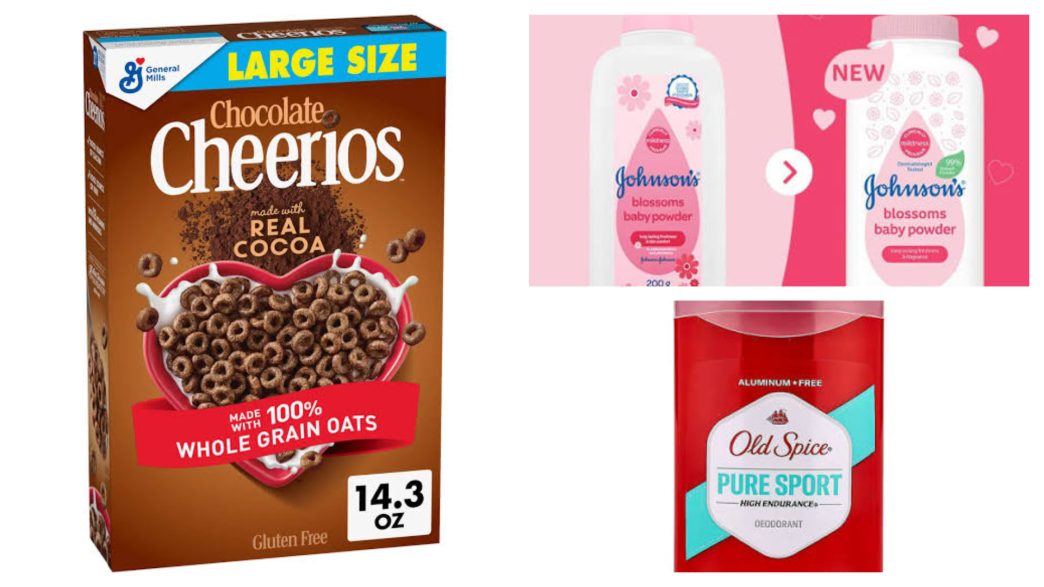
Cheerios faced lawsuits after reports showed traces of glyphosate in oats. Plaintiffs argued that the herbicide links to cancer risks and claimed manufacturers failed to warn consumers.
An environmental group reported glyphosate residues in Cheerios, which raised concerns about child safety.
Debate continues around glyphosate safety. The World Health Organization’s International Agency for Research on Cancer classified glyphosate as a probable carcinogen in 2015.
However, in 2017, the U.S. Environmental Protection Agency released a draft assessment that stated glyphosate likely does not cause cancer in humans.
4. Old Spice
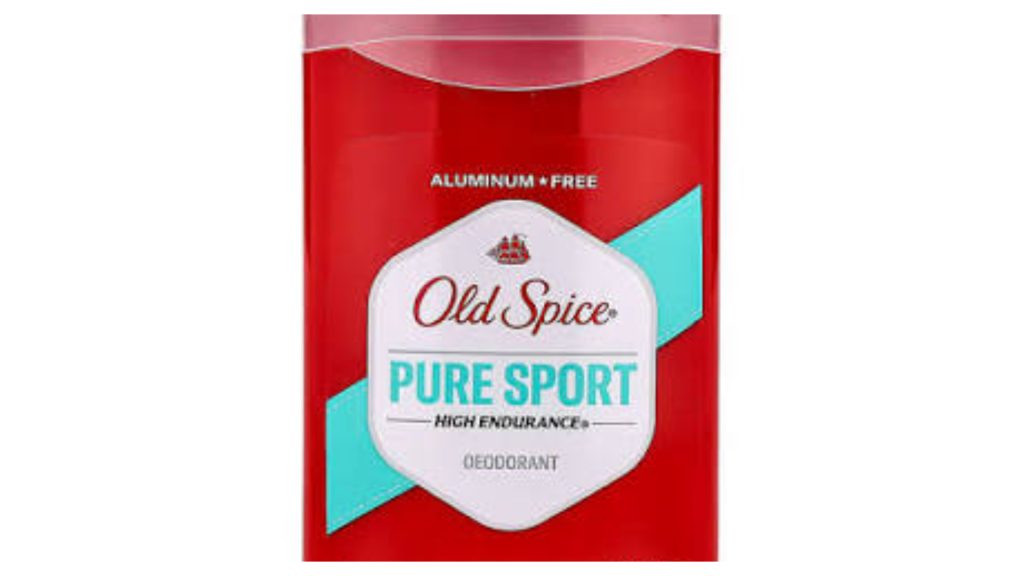
Old Spice and other brands under Procter & Gamble faced lawsuits after reports claimed that some aerosol products contained benzene contamination. Plaintiffs said consumers unknowingly exposed themselves to a cancer-causing chemical.
Multiple class action lawsuits accused Procter & Gamble of selling body sprays that contained undisclosed benzene in brands such as Old Spice, Secret, Power Stick, and Right Guard.
The lawsuits also argued that the company misled consumers by not disclosing benzene contamination in product labeling.
ALSO READ: 6 Promising Cancer Breakthroughs in 2026 You Should Know About
5. Johnson & Johnson
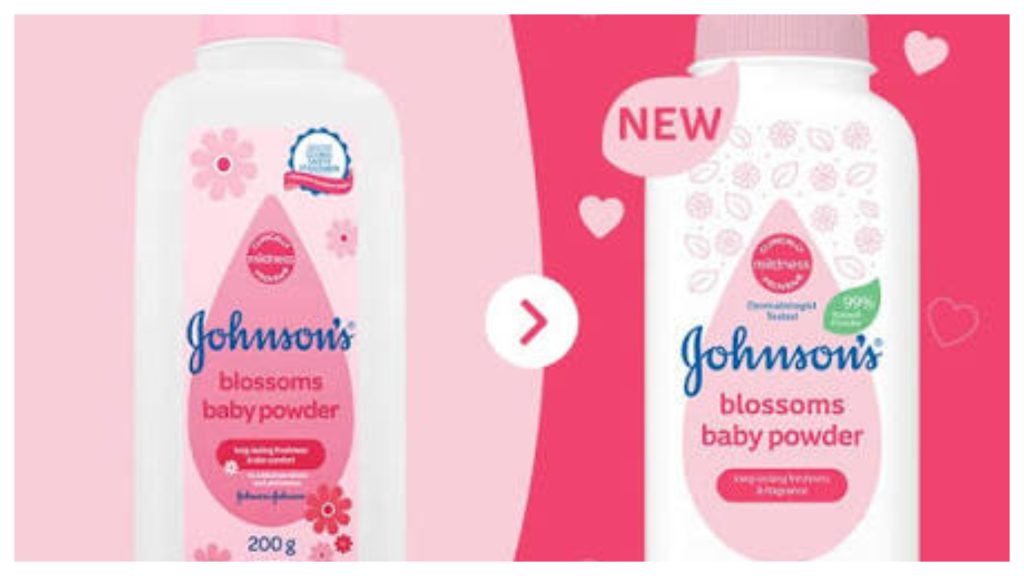
Johnson & Johnson faced major lawsuits after plaintiffs claimed its talc-based baby powders contained asbestos contamination. They argued that long-term use of the product led to cancers such as mesothelioma.
Regulators previously pushed for stricter testing of talc products for asbestos, a known carcinogen linked to lung cancer, ovarian cancer, and mesothelioma.
Although regulators later withdrew a proposed rule, public health concerns remained.
Johnson & Johnson removed its talc-based baby powder from the North American market in 2020 after years of litigation and allegations that the company knew about potential asbestos risks in its talc supply.

About The Author