


You feel fine, so you assume you are fine. However, some of the most dangerous health problems, known as silent diseases, give no warning at all. They quietly damage your heart, liver, kidneys or eyes for years, and many people only find out after a stroke, a failed organ or lost sight. Here are 10 silent diseases and conditions that affect many Nigerians, and the simple test that can catch each one early.
1. Type 2 Diabetes
Type 2 diabetes is one of the most widespread silent diseases. It happens when your body can’t use insulin properly, so sugar builds up in your blood. According to the World Health Organization (WHO), its symptoms can be mild and may take several years to notice. As a result, some people only learn they have it after complications have set in.
Nigeria has the highest number of adults living with diabetes in the International Diabetes Federation’s Africa region. Worldwide, an estimated 252 million adults have diabetes without knowing it. 
The test: a simple blood sugar test.
2. Hepatitis B
Hepatitis B is a virus that attacks the liver. Over time, it can lead to liver scarring and liver cancer. Most people feel nothing when they are first infected.
In Nigeria, a national survey in 2018 found that about 8.1% of adults aged 15 to 64 had hepatitis B. Globally, the WHO says only about 27% of people with the virus know they have it.
The test: a hepatitis B blood test. Better still, the vaccine offers nearly 100% protection.
3. Hepatitis C
Hepatitis C is another virus that damages the liver, and the same 2018 survey found it in about 1.1% of Nigerian adults. Most new infections cause no symptoms.
Unlike hepatitis B, hepatitis C can be cured. In fact, the WHO says modern antiviral medicines cure more than 95% of people who take them.
The test: an antibody blood test, followed by a second test to confirm an active infection.
4. Glaucoma
Simply put, glaucoma damages the nerve that connects your eye to your brain. According to the UK’s National Health Service (NHS), it usually has no symptoms, and most people don’t realise they have it. Treatment can slow the damage, but there is no cure.
In Nigeria, glaucoma is the second biggest cause of blindness after cataracts. Overall, the national blindness survey linked it to about 16.7% of blindness among adults aged 40 and above.
The test: a routine eye test, which often finds glaucoma before you notice any change.
5. Chronic Kidney Disease
First, a quick reminder: your kidneys filter waste from your blood. When they slowly lose this ability, there are usually no symptoms in the early stages. Many people only notice signs once the disease is advanced.
People with diabetes or high blood pressure face a higher risk, so they should get their kidneys checked regularly.
The test: blood and urine tests.
6. Fatty Liver Disease
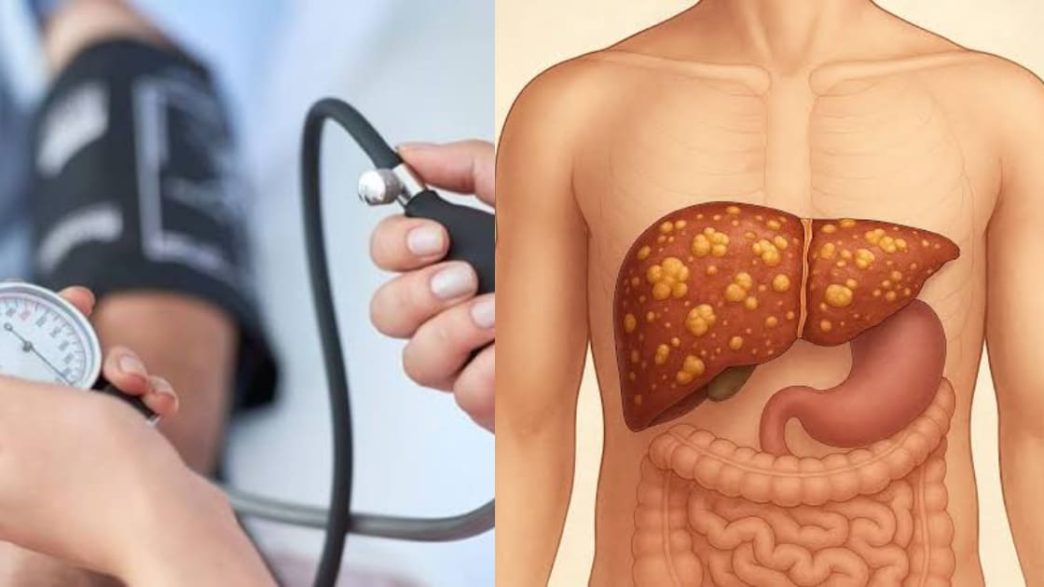
Fatty liver disease happens when fat builds up in the liver. It is often linked to excess weight, especially around the waist, as well as type 2 diabetes and high blood pressure. Early on, it often causes no signs, and many people discover it during tests for something else.
Fortunately, lifestyle changes such as eating better and moving more can usually help.
The test: liver blood tests and an abdominal ultrasound scan.
SEE ALSO: 10 Facts About Your Body You Probably Didn’t Know
7. High Blood Pressure (Hypertension)
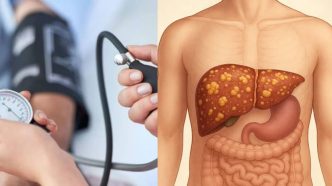
High blood pressure is one of the most common silent conditions in Nigeria. A 2021 review of Nigerian studies estimated that about one in three adults had it in 2020, yet only 29% of them knew. If left untreated, it can lead to stroke, heart attack and kidney failure.
The WHO says most people with high blood pressure feel no symptoms at all. Measuring it is the only reliable way to know.
The test: a blood pressure check. A reading of 140/90 or higher on two different days points to hypertension.
8. High Cholesterol
Cholesterol is a fatty substance in your blood. Your body needs some of it. However, too much of it can clog your arteries and raise your risk of heart attack and stroke. According to the NHS, high cholesterol does not usually cause symptoms. Moreover, people of sub-Saharan African origin face a higher risk.
The test: a cholesterol blood test.
9. Polycystic Ovary Syndrome (PCOS)
PCOS is a hormonal condition that affects an estimated 10% to 13% of women of reproductive age, according to the WHO. Signs include irregular or missed periods, acne, extra facial or body hair and difficulty getting pregnant. Yet up to 70% of women with PCOS have not been diagnosed, often because these signs get mistaken for something minor.
The test: a doctor’s check of your symptoms, plus blood tests and sometimes an ultrasound.
10. Sleep Apnoea
Sleep apnoea makes your breathing stop and start while you sleep. Since it happens at night, a partner usually notices it first, through loud snoring, gasping or choking sounds. During the day, you may feel very tired and struggle to concentrate. Over time, it can raise your risk of high blood pressure, stroke and type 2 diabetes.
The test: an overnight sleep study, which a doctor can refer you for.
A Doctor’s Perspective: Do Not Wait Until You Feel Sick
“Many people wait until they feel unwell before seeking care, but silent conditions may not cause symptoms in the early stages. These 10 silent diseases cause damage gradually, so screening is about identifying risk early rather than waiting for symptoms to appear. it would be based on a person’s age, risk factors and medical history, rather than taking every test without guidance. Feeling well does not always mean everything is normal ”
The right checks depend on your age, family history, pregnancy status, weight, blood pressure, medical history, medications and other risk factors. A doctor may recommend a blood pressure check, blood sugar test or cholesterol test during a routine visit, while hepatitis, eye, kidney, sleep or reproductive-health tests may be advised based on your personal history.
One abnormal result also does not automatically mean that you have a disease. Some results need to be repeated or confirmed with another test. The important thing is to discuss the result with a qualified health professional instead of self-diagnosing or starting treatment on your own.
The practical advice is simple: know your family history, attend routine health checks and ask a doctor which screenings are appropriate for you. Early detection can make many conditions easier to manage.
Why a Yearly Check-Up is Importnat
These 10 Silent diseases are dangerous precisely because you can’t feel them. Still, most of them are easy to catch with a quick blood test, a blood pressure check or an eye exam. Catching silent diseases early can save your sight, your organs and even your life. So if you are over 40, or if any of these conditions runs in your family, ask your doctor about screening.
This article is for information only and is not medical advice. Speak to a doctor about your own health.
READ ALSO: Why Your Antibiotics May Stop Working: The Self-Medication Habit Putting Nigerians at Risk

About The Author