


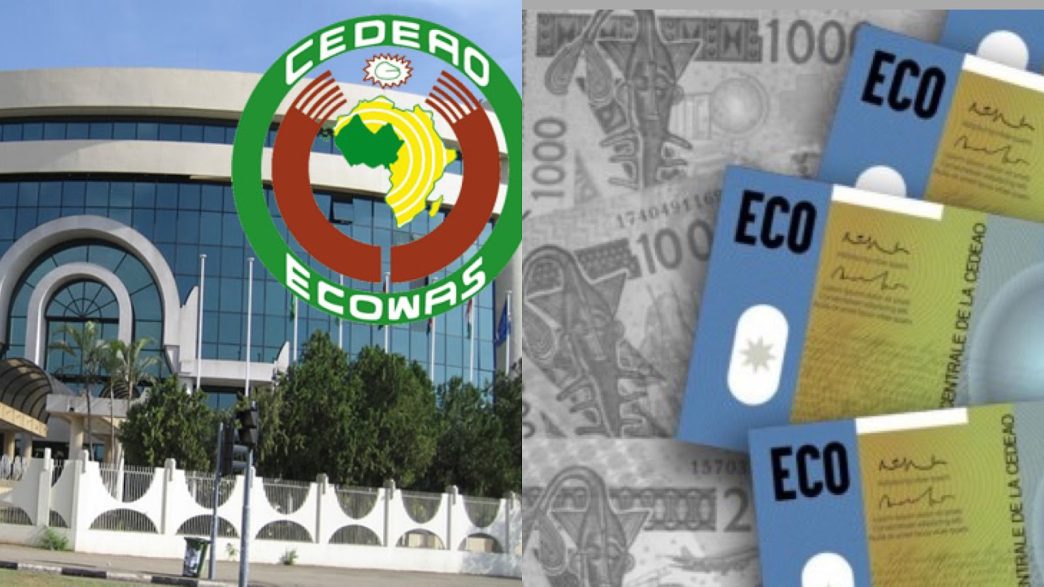
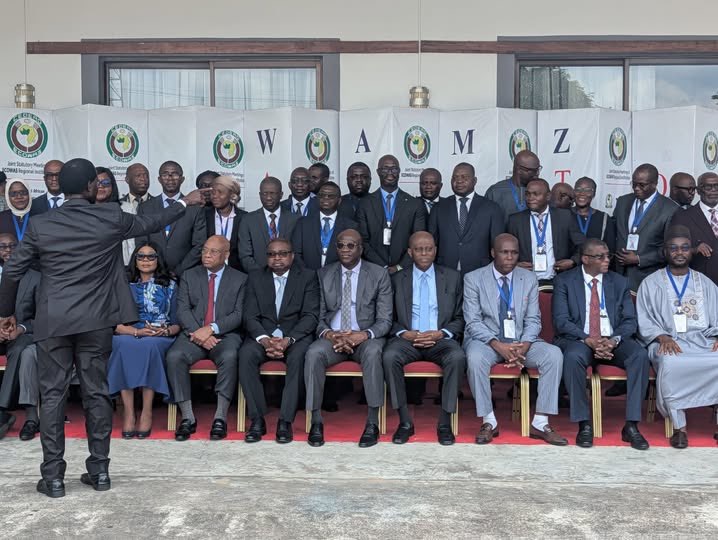
West African central banks are pushing ahead with the Eco currency, proposed to launch in 2027. This long-talked-about single currency is meant to unify the 15 nations of the Economic Community of West African States (ECOWAS) and boost economic integration. With 12 of these central banks meeting in Monrovia, Liberia, this plan seems on course for a 2027 launch indeed.
The recent three-day meeting of central bank governors from 12 West African countries, including Nigeria, Liberia, Ghana, Sierra Leone, Guinea, and The Gambia. The focus of the meeting was on finalising the policy frameworks and governance systems needed to make the Eco currency work.
The discussions come after a December 2025 ECOWAS Summit in Abuja, where leaders renewed their commitment to the 2027 timeline. 
ALSO READ: AU’s New Chairman and Nigeria’s Big Wins at the 2026 Summit in Addis Ababa
What Is the Eco Currency?
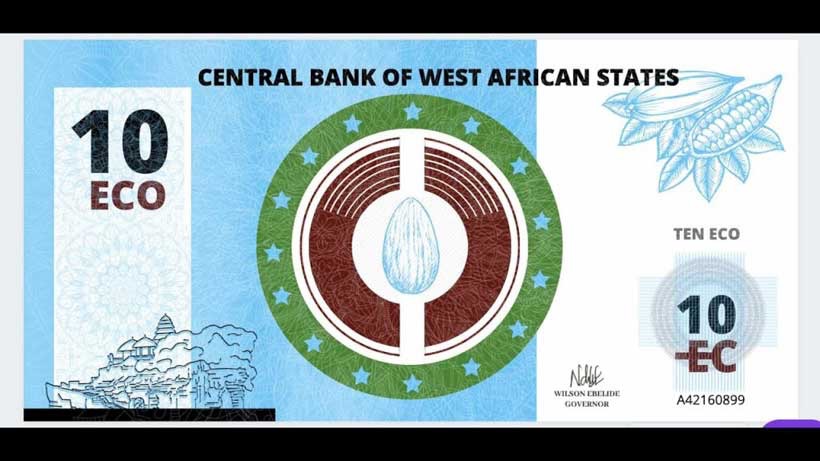
The Eco is a proposed common currency that would replace existing national currencies across ECOWAS. This new tender will replace currencies, including the CFA franc, currently used by eight member states and still tied to the French Treasury.
Proponents believe the Eco currency would help break this neocolonial link. It’s also expected to foster deeper economic integration and mirror aspects of the eurozone model.
Originally planned for trial in the Ivory Coast in 2019, the eco’s rollout has been delayed multiple times (six so far). These delays are due to macroeconomic challenges and countries missing convergence criteria like low inflation, fiscal discipline, and adequate foreign reserves.
Why This New Currency Matters
If successful, the Eco currency could reshape West African economies by:
- Facilitating cross-border trade with unified payments
- Reducing currency conversion costs
- Attracting more foreign direct investment (FDI)
- Strengthening regional financial integration
- Enhancing price stability and monetary policy coordination
Economists argue that a shared currency could make the region more competitive globally, especially with more trade blocs in Asia and Europe.
The Challenges Lying Ahead
Critics point out that divergent fiscal policies, high inflation in some economies, and weak governance frameworks are the biggest obstacles. Nigeria and Ghana’s own digital currencies also raise questions about alignment. For some skeptics, this economic stabilisation should come first.
Still, these central banks are pushing forward. To them, the Eco currency is a bold step toward West African unity. According to an ECOWAS official, “The currency is not just about money. It’s about economic independence and shared prosperity.
If ECOWAS nations can iron out the remaining hurdles, 2027 could mark a historic moment. With a single West African currency, West Africans can expect economies to unite and major changes in the way the region trades globally.
About The Author