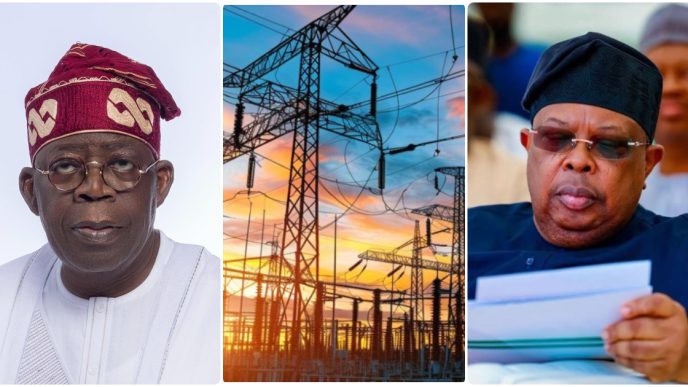
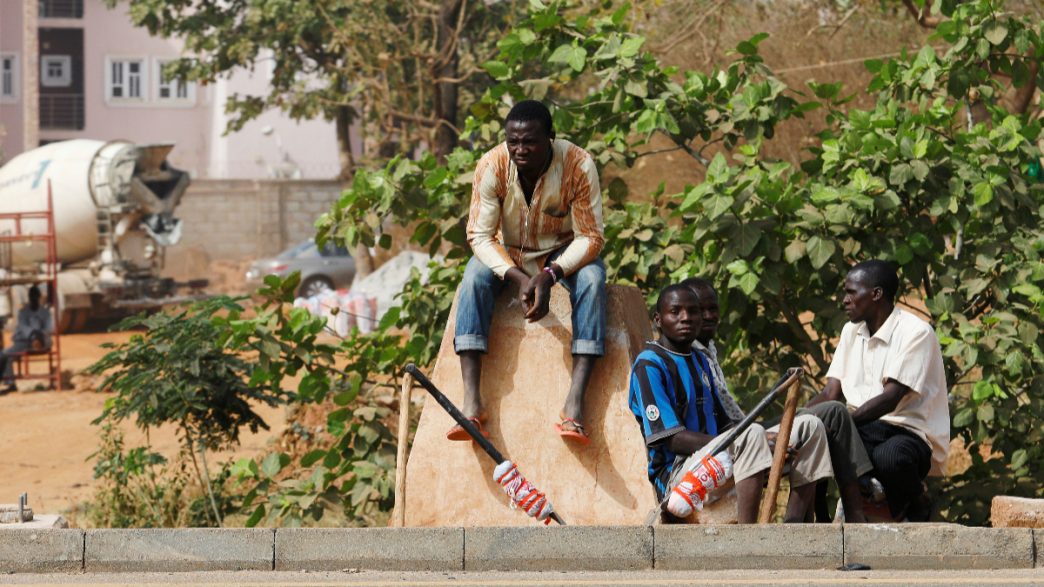
The unemployment rate in Nigeria has fallen to about 5% under President Bola Tinubu, according to the head of the country’s labour institute. Critics, though, argue that the headline figure hides underemployment and poor job quality.
Issa Aremu, Director-General of the Michael Imoudu National Institute for Labour Studies (MINILS), spoke on Arise TV’s Morning Show. He said the National Bureau of Statistics (NBS), applying International Labour Organisation (ILO) methodology, now puts the official rate at about five%.
Under ILO standards, one hour of paid work in the reference period counts as employment. 
“Today unemployment is about 5% officially,” Aremu said.
What Aremu says is driving job growth
Aremu attributed the decline to increased economic activity, particularly in the downstream oil sector, where modular refineries have emerged. He also noted that industries are prioritising local sourcing of raw materials because of exchange rate fluctuations.
He also welcomed the government’s pension intervention. The N758 billion bond cleared inherited pension liabilities dating back to 2007, and the payment reached 957,045 beneficiaries.
The pension commission (PenCom) says pension assets have risen to N31.48 trillion from N20.79 trillion in July 2024.
READ MORE: NYSC Abduction: Kidnappers Drop Ransom Demand to N100m
Why critics question the unemployment rate in Nigeria
Sceptics point to the NBS’s change of method. Its last published figure under the old method was 33.3% for Q4 2020, and the new approach reported 4.1 per cent for Q1 2023. Economist Akpan Ekpo has urged the government to publish figures under both the old and new methodologies for transparency.
Underemployment adds to the concern. The NBS recorded time-related underemployment of 11.8 per cent in Q2 2023, and 15.5 per cent of the labour force was either unemployed or underemployed.
Critics add that the ILO definition says little about wages, job security or living costs in Nigeria’s informal economy.
NBS data show the unemployment rate in Nigeria moving within a narrow band. It stood at 5% in Q3 2023 and rose to 5.3% in Q1 2024, then fell to 4.3% in Q2 2024. A reading of about 5% therefore looks like a largely stable figure rather than a sudden fall.
Jobs, wages and the next election
Aremu, who also sits on the presidential campaign council, said secure employment, living wages and pension payments will be central to the next election. Whether the unemployment rate in Nigeria translates into better pay and steadier work for ordinary households will likely shape how the 5% figure is received.
READ ALSO: Dangote Foundation Targets 7 Million Students, Vulnerable Women With N40bn Share Offer

About The Author