



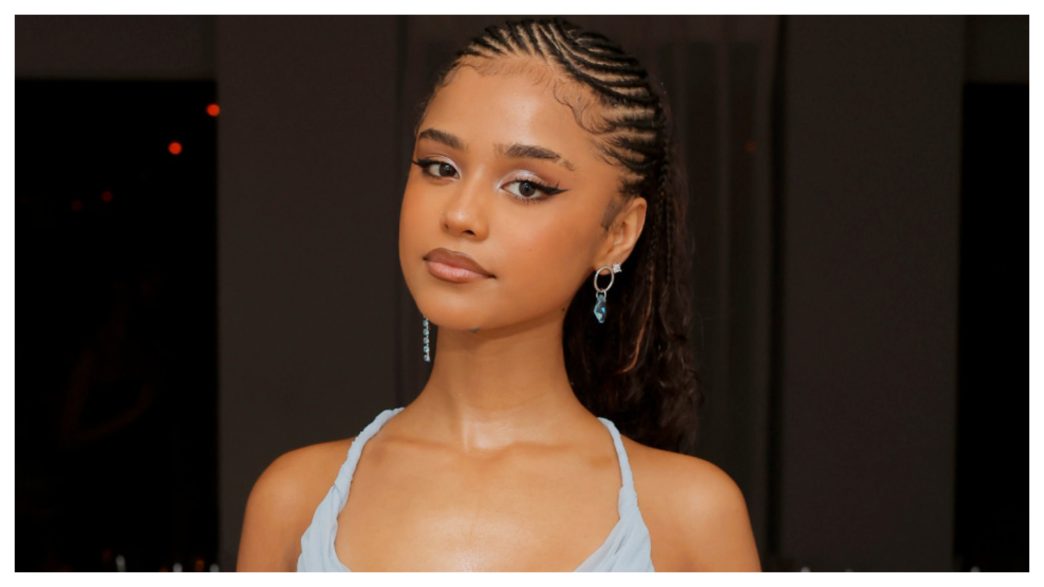
South African Grammy-winning singer Tyla has removed Lagos from the schedule of her upcoming APOP World Tour.
According to details on her official tour website, the December 22 Lagos date that had previously been announced is no longer listed. All other dates across Europe, North America, and South Africa remain on the schedule. The tour will still conclude with shows in Cape Town on 4 January and Johannesburg on 9 January.
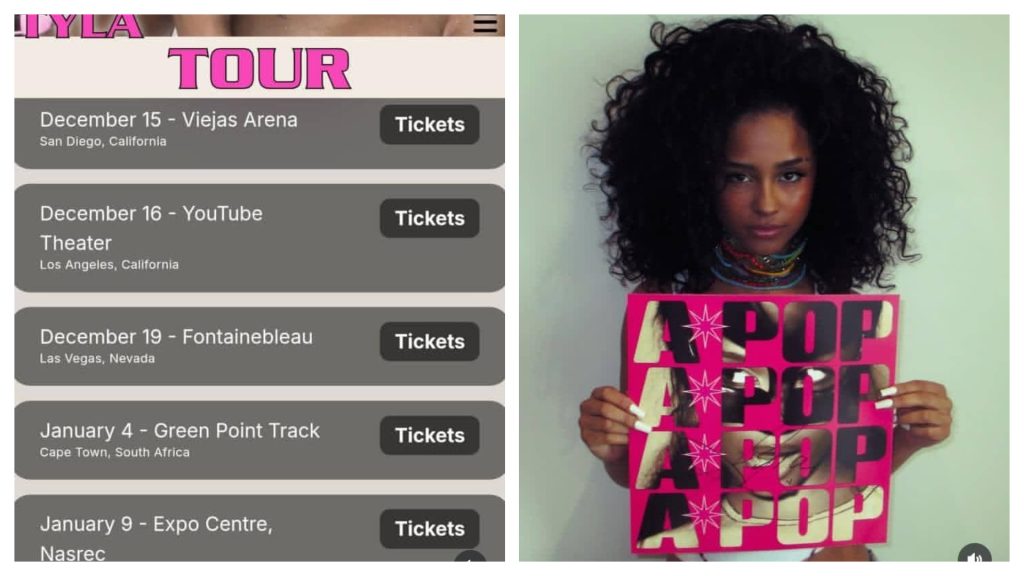
Neither Tyla nor her management have issued a public statement explaining the removal of the Lagos date as of this report. The concert promoters have also not announced a formal cancellation or postponement. 
What Triggered the Backlash
The controversy began the moment Lagos was announced as the only Nigerian stop on the APOP World Tour. The announcement came amid renewed reports of xenophobic attacks against Nigerians in South Africa, including the alleged death of Nigerian national Chika Ibe in Cape Town following an encounter with South African police.
The combination of these events sparked a sharp reaction online. Many Nigerians called for a boycott of the concert, arguing that South African artists should not perform in Nigeria while attacks on Nigerians persist in South Africa. The counterargument from others was equally understandable: that artists shouldn’t bear the burden of political and social failures that are not their fault.
The debate intensified on Thursday when activist VeryDarkMan entered the conversation with a direct threat. In a post on his Facebook page, he wrote that the concert would not take place in Nigeria and announced he was prepared to mobilise members of his Ratel Movement to prevent it if it did.
‘This is a message to South Africans. We are Africans, and we don’t unalive our own. Since you have taken it upon yourselves to unalive other Africans because, according to you, other African nationalities living in South Africa are taking your jobs; we stand in solidarity to oppose promoters and celebrities from South Africa who refuse to speak out against these attacks on other Africans living there,’ he wrote.
SEE ALSO: Nigerians React Differently to Boycott Campaign Against Tyla’s Lagos Concert
A History of Tensions
This is not the first time that tension between Nigeria and South Africa has affected the entertainment industry.
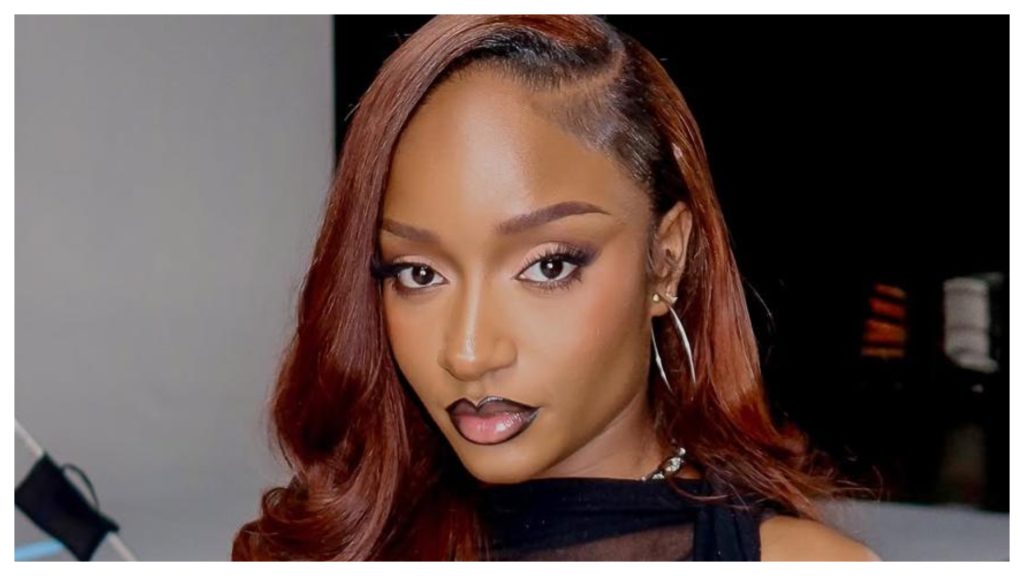
In February 2024, Nigerian singer Ayra Starr was forced to cancel her scheduled ‘In The City’ performances in Johannesburg and Cape Town. The South African Department of Home Affairs denied entry visas to her and her team, citing ‘inconsistencies in the documentation provided.’ The cancellation disappointed fans who had bought tickets, and many deemed the decision unfair, while others saw it as part of a broader pattern of strained relations between the two countries.
SEE ALSO: ‘I Tried to Speak to Her’: Was Tyla Snubbed by Rihanna?
The Opposing View
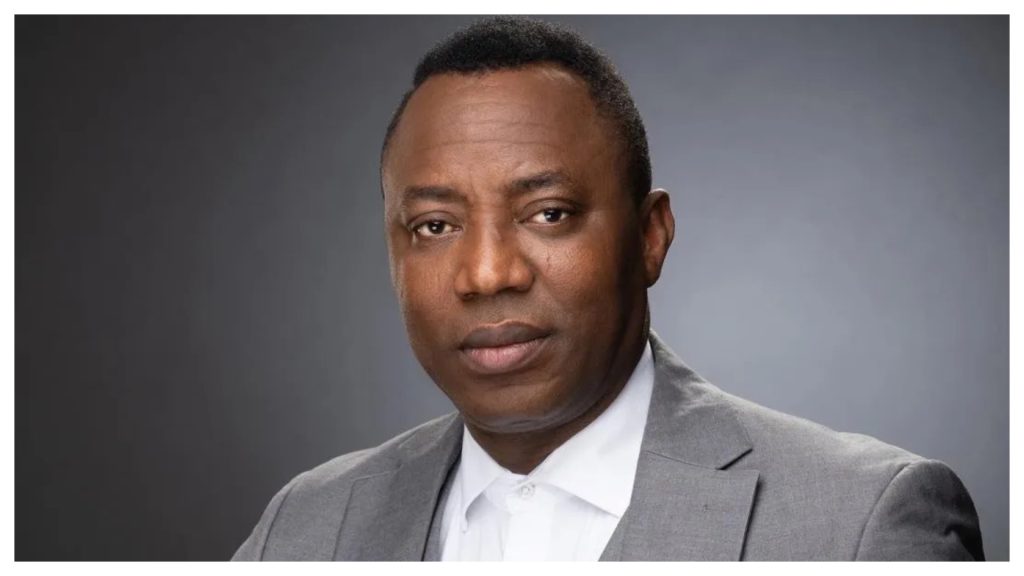
On the other hand, not everyone supported the boycott. Presidential candidate Omoyele Sowore publicly urged Nigerians to direct their anger at what he called ‘their real enemies’ and argued that Tyla shouldn’t be held responsible for xenophobia. He stated that the Lagos concert should proceed.
The split in public opinion reflects a wider tension exposed by this situation: between solidarity with Nigerians harmed or harassed in South Africa, and the question of whether cultural and economic boycotts of individual artists are an effective or fair response to a government’s failure to safeguard foreign nationals.
Tyla’s decision to exclude Lagos from the tour may be a business move to avoid further controversy, but it also highlights the fragile relationship between Nigeria and South Africa. For many Nigerians, this isn’t just about a concert but concerns of safety, dignity, and respect.
The removal of the Lagos date suggests the backlash influenced the decision, but without an official statement from Tyla or her team, the true reason remains unclear.

About The Author