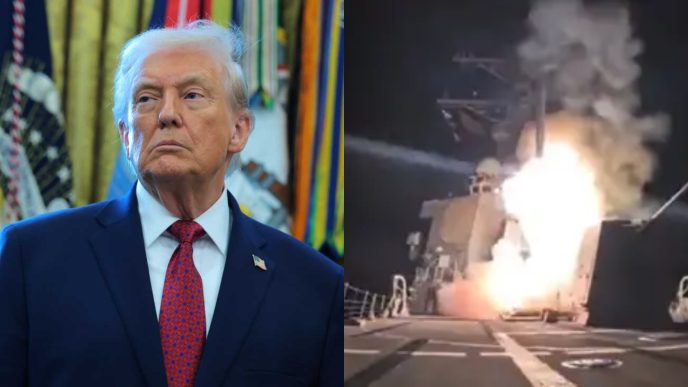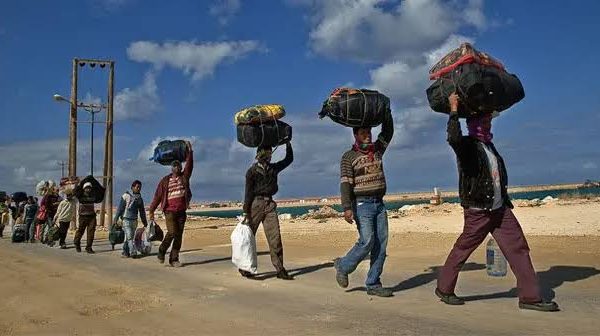



In a statement released by the White House on 16 December 2025, new travel bans and entry restrictions have been placed on people from these African countries.
A proclamation was issued by President Donald J. Trump to increase entrance restrictions for citizens of countries that are thought to have severe screening and vetting shortcomings that could endanger public safety and national security.
African Countries Affected by Trump’s Travel Ban
Full Ban: Previously 12 countries + 7 newly added or upgraded 
Partial Ban: Previously 5 + 15 newly added
See the full list below;
Countries Subject to Full Restrictions by Trump
This means that under no circumstances will they be allowed into the country.
The proclamation adds Burkina Faso, Mali, Niger, South Sudan, and Syria to the list of countries with full entry restrictions, while maintaining full restrictions on the twelve countries previously listed in Proclamation 10949: Afghanistan, Burma, Chad, Republic of the Congo, Equatorial Guinea, Eritrea, Haiti, Iran, Libya, Somalia, Sudan, and Yemen.
Additionally, these restrictions apply to Sierra Leoneans who were previously subject to partial limits.
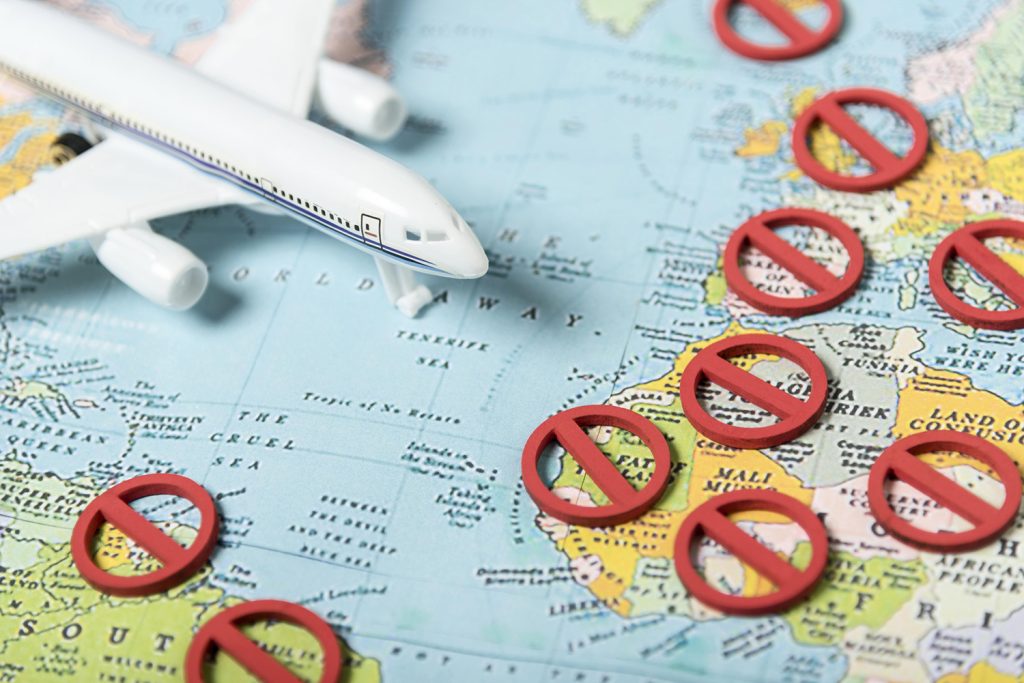
Countries Subject to Partial Restrictions
Burundi, Cuba, and Togo will still be subject to limited restrictions.
He adds partial restrictions and entry limitations on 15 additional countries: Angola, Antigua and Barbuda, Benin, Cote d’Ivoire, Dominica, Gabon, The Gambia, Malawi, Mauritania, Nigeria, Senegal, Tanzania, Tonga, Zambia, and Zimbabwe.
ALSO READ: ECOWAS Declares State of Emergency: Here’s What’s Happening in West Africa
What This Means for Visa Holders and New Visa Applicants In Countries With Partial Restrictions
Lawful permanent residents, current visa holders, certain visa categories including sports and diplomats, and people whose admission promotes U.S. national interests are also exempt from the Proclamation.
The proclamation maintains case-by-case waivers while restricting large family-based immigration visa carve-outs that, according to Trump, “contain proven fraud concerns.”
This means a suspension of all immigrant visas and certain non-immigrant visas like B-1/B-2 (Visitor), F (Student), M, and J (for different types of study and exchange visa).
This means if you have a valid visa, you are still allowed to be in the US. If you just want to apply, there is little to no hope for you. If you are already in the US and want to bring in your spouse or children, you might as well forget about it.
Exceptions are athletes, diplomats, and those who promote US national interest.
NOTE: Trump clarified that those who got valid visas before 1 January 2026 will not be affected by the restrictions.
Why is the US doing this?
This is in line with Trump’s “America First” promise to protect the US borders. He views foreign nationals from war-torn countries or countries with security challenges as disruptors of peace and security.
The White House website reports, “The restrictions and limitations imposed by the Proclamation are necessary to prevent the entry of foreign nationals about whom the United States lacks sufficient information to assess the risks they pose, garner cooperation from foreign governments, enforce our immigration laws, and advance other important foreign policy, national security, and counterterrorism objectives.”
How Was the US in the Past?
The US was more welcoming toward nationals of war-torn countries in the past, offering them Temporary Protected Status (TPS) and asylum, but it is now making a total U-turn with it’s new travel ban.
About The Author

-
Pingback: Bloody Christmas? Trump Sends Airstrikes to Nigeria — Why and What Does it Mean? - NBG Africa
-
Pingback: 10 Strongest African Passports in 2025 and Where Nigeria Stands
-
Pingback: 4 Reasons Why Canada Is Deporting Nigerians and Other African Migrants - NBG Africa
-
Pingback: Visa-free in 156 countries? See African Country With Best Passport Globally - NBG Africa
-
Pingback: 7 Countries That Allow Africans with Student Visas Bring Dependants Who Work - NBG Africa
Keep Up to Date with the Most Important News