


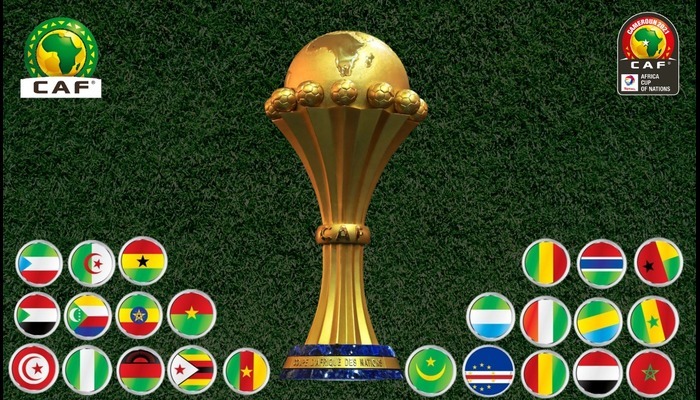
As the 2025 Africa Cup of Nations (AFCON) in Morocco draws closer, excitement is building across the continent.
AFCON is Africa’s biggest football competition, where top teams compete and football history is made. Countries like Egypt and Nigeria have dominated over the years, while newer champions like Senegal have also risen to the top.
However, not every African country has experienced this stage. Despite many AFCON editions, some nations have never featured in the competition. For them, the dream of hearing their national anthem at Africa’s biggest football event is still alive but unfulfilled. 
Below is a look at each country and and the obstacles that have kept them on the outside of Africa’s biggest football stage.
ALSO READ: Doris Ogala vs. Pastor Chris Okafor and 6 Other Nigerian Pastors Accused of Sexual Scandals
10 African Countries That Have Never Played at AFCON
1. Chad
Chad has struggled to make an impact in African football largely due to limited funding and weak domestic structures. The local league is not stable, and the national team lacks consistent support, making it hard to compete in qualifiers.
2. Djibouti
Djibouti’s football growth has been slowed by a small talent pool and limited facilities. While efforts have increased in recent years, the national team still finds it hard to compete with more established sides during qualifiers. While the country is working to improve its football system, progress has been slow.
3. Eritrea
Eritrea’s absence from AFCON is often linked to political and institutional challenges, including periods of withdrawal from international competitions. Player availability and continuity have also been major issues and at these times, the country has withdrawn from competitions, which has slowed its growth on the international stage.
4. Eswatini (formerly Swaziland)
Despite moments of promise, Eswatini has struggled with infrastructure gaps and inconsistent grassroots development, making qualification campaigns difficult to sustain. These issues have made it difficult to maintain strong qualification campaigns.
5. Lesotho
Lesotho faces challenges related to geography, funding, and limited exposure. Lesotho’s main challenges include limited resources and tough competition within its region and the country has found it hard to match stronger and more experienced teams.
6. Somalia
Years of instability has severely affected football in Somalia. Although the country is rebuilding its football system, security concerns and lack of infrastructure have delayed progress on the international stage.

7. Seychelles
As a small island nation, Seychelles deals with a limited player base and resources. While football is popular, competing consistently at continental level remains a major hurdle. It’s small population makes it harder to develop a large pool of players capable of competing at AFCON level.
YOU MIGHT LIKE: ‘I Smoked for 27 Years’ – All the Highlights from Tonto Dikeh’s Testimony at Streams of Joy Church
8. Central African Republic
The Central African Republic has produced talented players, but has struggled with poor football administration and funding problems, which have affected long-term success.
9. South Sudan
South Sudan is Africa’s youngest country and is still in the early stages of football development. With a short footballing history and limited facilities, South Sudan is focused on building foundations for future success and AFCON qualification remains a long-term goal.
10. São Tomé and Príncipe
São Tomé and Príncipe has shown improvement in recent years, but resource constraints and limited international exposure have made AFCON qualification an uphill task.
As AFCON 2025 in Morocco draws closer, excitement is rising across the continent. Fans are looking forward to packed stadiums, fierce rivalries, and unforgettable moments that only AFCON can deliver.
While these 10 countries are not yet part of the tournament’s history, the growing energy around AFCON 2025 is a reminder that African football is always evolving, and one day, new names could finally step onto its biggest stage.
About The Author