



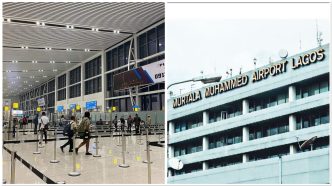
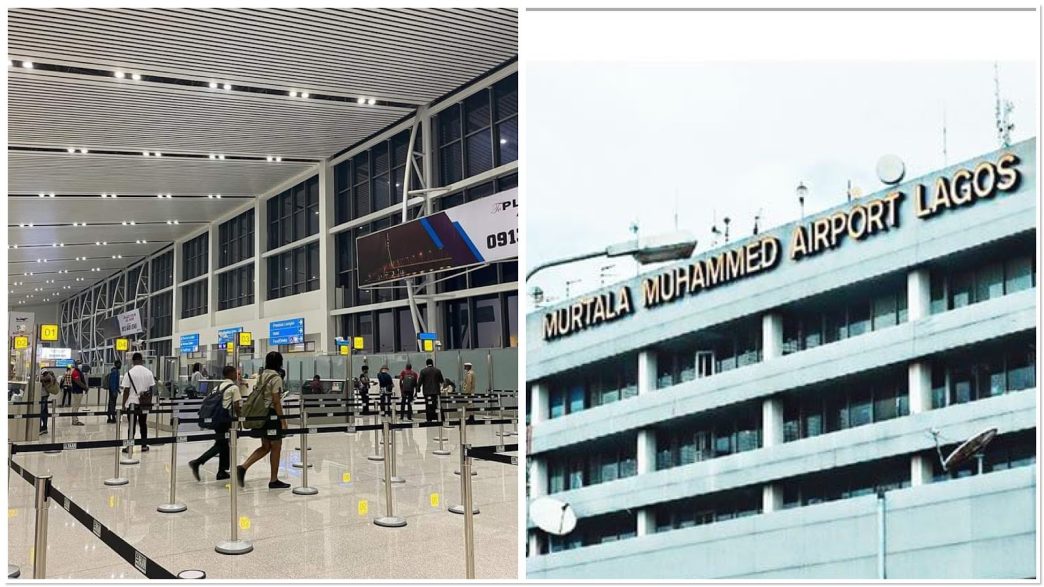
When you walk into a Nigerian airport now, it will be a different experience. In line with the ongoing upgrades by the Federal Airports Authority of Nigeria (FAAN), there have been two new major changes in Nigerian airports to make the experience smoother for travellers.
These changes are in addition to the upgrades of six airports and several runways across the country and the elimination of manual luggage checks. They are part of ongoing efforts by the airport authority to curb excesses in the process and meet global standards.
To prevent unpleasant surprises, here are two new major changes in Nigerian airports you should know ahead of your next flight. 
DID YOU MISS: Why Planes Can’t Land In These 6 Countries
Who Says No to Free Wi-Fi? Not Us
FAAN has partnered with MTN Nigeria to launch free Wi-Fi in Nigerian airports. These free Wi-Fis will be available first in Murtala Muhammed International Airport (MMIA) Terminal 2 in Lagos and Nnamdi Azikiwe International Airport in Abuja.

At the launch, FAAN’s Managing Director, Olubunmi Kuku, described the move as part of efforts to improve passenger experience and expand digital infrastructure. MTN also assured users the service would be “reliable and secure”, with plans to extend it to other terminals nationwide.
For years, travellers visiting Nigerian airports complained about unreliable internet access, especially during long layovers. Free Wi-Fi means easier check-ins, faster ride bookings, smoother business communication, and less frustration overall. It might seem like a little upgrade, but it only aligns Nigerian airports with global standards.
Nigerian Airports Have Gone Cashless
FAAN officially banned all cash transactions across its operations nationwide, starting from February 29, 2026. This move aligns with the Federal Government’s cashless policy.
In an internal memo, Kuku directed that “all cash collections or transactions… MUST STOP”, warning of stiff penalties for non-compliance. All payments, from airport services to official business dealings, must now go through approved electronic channels.
The aim is to reduce corruption, eliminate leakages, and limit the human interference that has long caused complaints of extortion. Digital payments create traceable records, improving transparency for both authorities and passengers.
Are These Changes in Nigerian Airports Realistic?
While it might seem realistic on paper, the challenge lies in execution. Nigeria’s airport reputation has suffered due to poor service culture and complaints of corruption. These digital tools can reduce human excesses. But that only happens if enforcement is strict and systems function.
The free Wi-Fi must be reliable, not just existing. The cashless rule must work with a seamless system to avoid creating new bottlenecks.
If properly enforced, these new changes in Nigerian airports could mark the beginning of a new and long-overdue culture. But in Nigeria, policy is never the problem; execution and consistency are.
About The Author