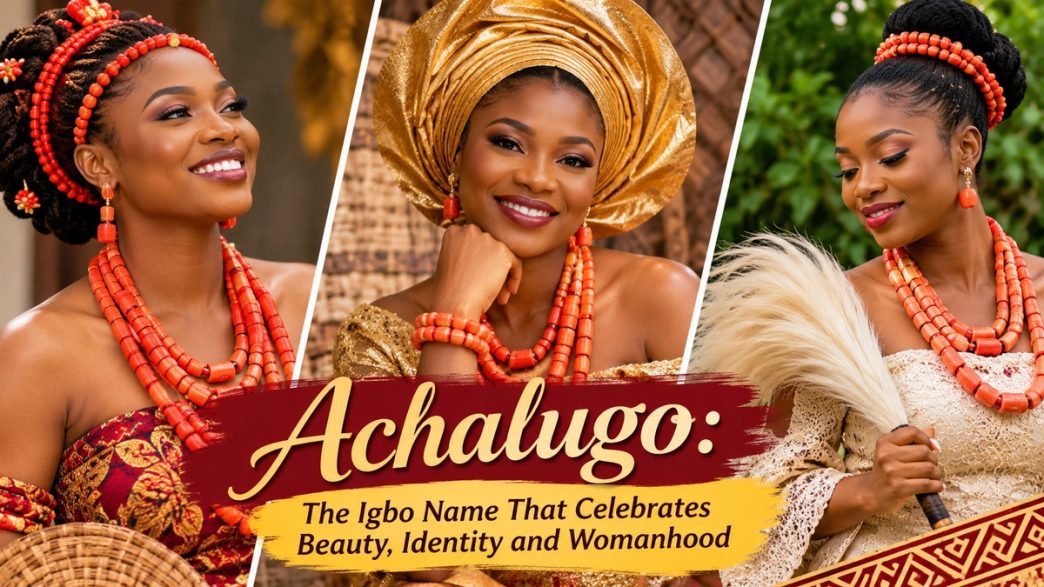
There is something special about being called by a name that makes you feel seen, valued and celebrated. In Igbo culture, names often carry stories that go beyond identification. They express love, preserve family history, recognise achievements and sometimes announce a person’s place in society. Achalugo is one such beautiful expression.
In recent times, the name has found its way into romantic conversations, social media trends and everyday exchanges. Women who may never have heard it before now smile at its sound, while others proudly embrace it as a term of endearment. Much of this renewed attention followed the success of Omoni Oboli’s romantic drama, Love in Every Word, released in March 2025.
However, Achalugo did not begin with Nollywood. Long before movie cameras brought it into the national spotlight, the name already had a place in Igbo society. Its history opens an interesting window into how traditional communities recognised women, expressed affection and celebrated their identities. 
What Does Achalugo Mean?
Achalugo is commonly interpreted as “the beauty of an eagle” or “the pride of an eagle”. The eagle, known as ugo in Igbo, carries associations of distinction, prestige and admiration in Igbo cultural symbolism.
The name therefore evokes an image of a woman regarded as exceptional, cherished and worthy of admiration.
However, its meaning deserves more than a quick translation. Like many indigenous expressions, Achalugo draws significance from the cultural setting in which people use it. Different explanations of its linguistic construction exist, so its precise etymology deserves careful attention from Igbo language scholars.
Interestingly, a historical publication, Alor: An Anthropological Source Book, documents Achalugo among the secondary names used by women in pre-Christian Alor society in present-day Anambra State. The publication gives its meaning as “beauty of an eagle”.
This historical record is particularly important. It establishes that Achalugo existed as part of an older cultural practice, long before its recent popularity. It also reminds us that traditional Igbo naming practices were more elaborate than simply giving a child a name at birth.
A Name Rooted in Traditional Igbo Society
To understand Achalugo, we must first appreciate the importance of names in traditional Igbo society.
Among the Igbo, names have historically served several purposes. They could reflect the circumstances surrounding a child’s birth, express gratitude to God, preserve family history, communicate personal beliefs or celebrate an individual’s achievements.
Some names were given at birth, while others emerged later in life. These additional names could reflect a person’s social position, accomplishments, family responsibilities or distinctive qualities.
The Alor anthropological account provides a fascinating example. It explains that women in pre-Christian Alor society also adopted secondary names. Some were associated with their membership in married women’s associations and other social groups. Achalugo was among the names recorded.
This practice was not necessarily a formal title-taking ceremony. Rather, it showed how a woman’s identity could grow beyond the name she received at birth.
Other Igbo communities have equally fascinating naming traditions. In Ogbaru, Anambra State, for instance, women may acquire secondary names later in life. Some reflect their positions and responsibilities within their families, while others celebrate beauty, lineage and personal identity.
Names such as Omekasiabunwa, Ogbunaechendo, Azumdialo, Nmasiolu and Mmadinagbo offer a glimpse into this tradition. Each carries a story that deserves to be understood within its particular family and community context.
Onitsha also has a rich culture of women’s names and traditional recognition. Some names are associated with marriage and a husband’s Ozo title-taking, while others accompany the prestigious Odu institution for women.
These traditions demonstrate that Achalugo is part of a wider cultural heritage in which names can communicate affection, identity, recognition and social belonging.
When a Husband Calls His Wife Achalugo
For many contemporary Igbo women, one of the familiar uses of Achalugo is as a name of affection given by a husband to his wife.
Traditionally, husbands sometimes gave their wives special indigenous names to express admiration, affection and a sense of belonging. Such names were not merely romantic decorations. They communicated how a husband perceived his wife and the place she occupied in his life.
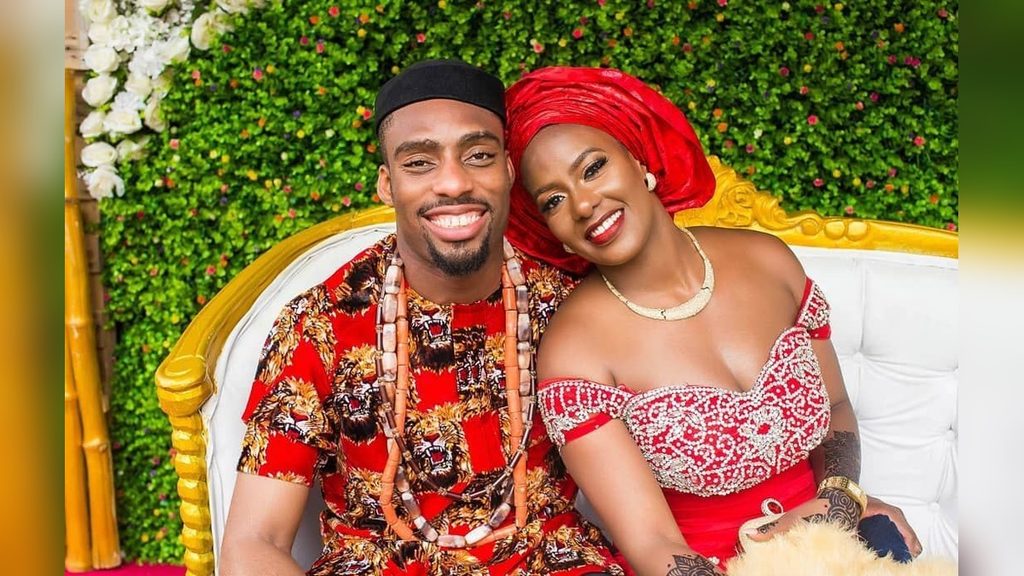
A woman might be celebrated for her beauty, character, kindness, generosity or contribution to her family.
Research published in the Journal of the Nigerian Languages Project in 2025 examines indigenous Igbo endearment names given to wives. It explains how these expressions function as cultural and emotional communication, reflecting the relationship between naming, affection and social identity.
The study also observes that this tradition is changing as modern lifestyles and cultural influences reshape relationships.
Nevertheless, the practice remains a fascinating reminder of the place language occupies in expressing love and appreciation.
Achalugo and the Honour of Traditional Titles
Beyond marriage, the recognition of women through traditional titles deserves attention.
Across different Igbo communities, women have their own institutions, associations and systems of recognition. However, these practices are not uniform, and each community maintains its distinct customs.
In Onitsha, the Odu title is an important traditional institution for women. It provides a recognised avenue for women to acquire distinction and participate in the community’s traditional structure.
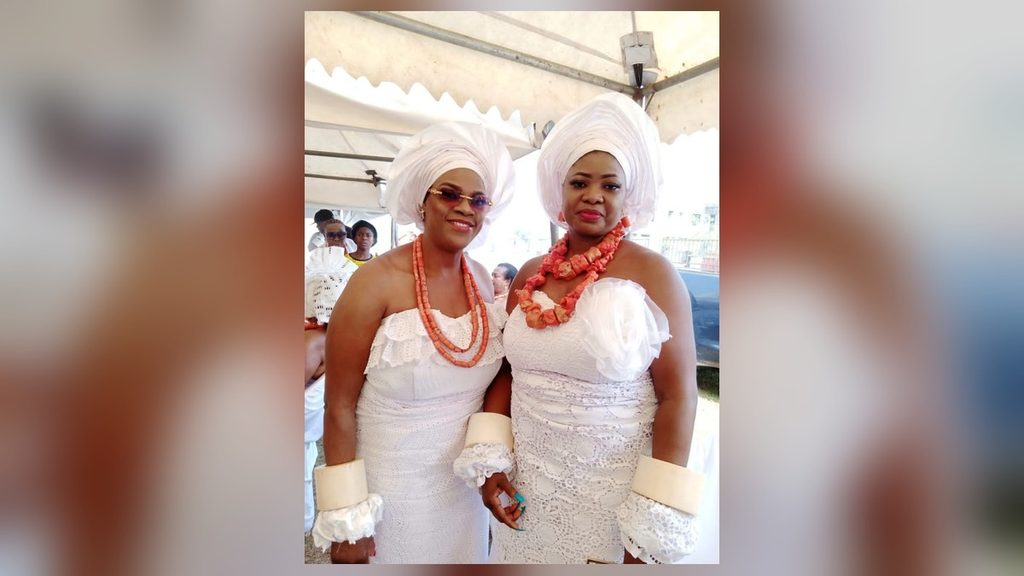
The community also has a tradition of names associated with a husband’s Ozo title-taking. These names can reflect the family’s new status and the wife’s place within that achievement.
In other Anambra communities, including Obosi, Eziowelle, Enugwu-Ukwu and Abatete, women also participate in the Iyom title tradition. Women who receive such recognition may acquire names such as Adaugo, Ugwumba, Akukalia and Amalunweze.
These names carry different meanings and associations, depending on their linguistic and community contexts.
Although the Odu and Iyom institutions have similarities in their recognition of women, they should not be treated as identical. Each has its own history, procedures and cultural significance.
Together, however, they challenge the idea that traditional Igbo institutions recognised only men. Women also occupied important social positions and had avenues through which their contributions and standing could be acknowledged.
READ ALSO: From Kola Nuts to Bride Price: The Beautiful Traditions of Igbo Marriage
How Nollywood Took Achalugo to a Wider Audience
Although Achalugo existed long before the present generation, few cultural expressions have enjoyed the sudden popularity it experienced in 2025.
Omoni Oboli’s Love in Every Word changed that.
The film, featuring Uzor Arukwe and BamBam, introduced millions of viewers to a romantic story filled with memorable dialogue and expressions rooted in Igbo culture.
One word, in particular, captured the audience’s imagination: Achalugo.
As Obiora affectionately addressed Chioma, the name quickly became a favourite among viewers. Social media users recreated scenes, shared romantic messages and adopted the expression in conversations with their partners.
A March 2025 report by Premium Times documented how the film’s popularity turned Achalugo into a nationwide talking point, generating memes, online conversations and renewed curiosity about its meaning.
The phenomenon demonstrated Nollywood’s influence in bringing indigenous languages and cultural expressions to wider audiences.
However, a film offers an interpretation of culture, not necessarily a complete account of its history. Achalugo’s traditional significance extends beyond the romantic storyline that introduced it to a new generation.
When Music Joins the Celebration
The popularity of Achalugo has also found expression in contemporary Igbo music. Nigerian singer and songwriter Ugoccie released a single titled Achalugo on September 5, 2025, bringing another artistic interpretation of the celebrated name.
Rather than limiting the expression to romantic admiration, the singer uses the song to celebrate beauty, confidence, individuality and cultural pride. In an October 2025 interview with Punch, Ugoccie explained that her inspiration came from a desire to remind people, particularly women, that they are special, worthy and deserving of celebration.
Her message extends beyond physical beauty. It encourages women to embrace their uniqueness and recognise the value of their cultural identity.
The song’s accompanying red-carpet campaign reinforced this message, inviting women from different backgrounds to experience their own moments of recognition and celebration.
Through film and music, Achalugo has continued to reach new audiences, demonstrating how indigenous expressions can find fresh meaning in contemporary popular culture.
More Than Beauty: The Woman Behind the Name
Perhaps the most interesting question surrounding Achalugo is what it says about the woman who bears it.
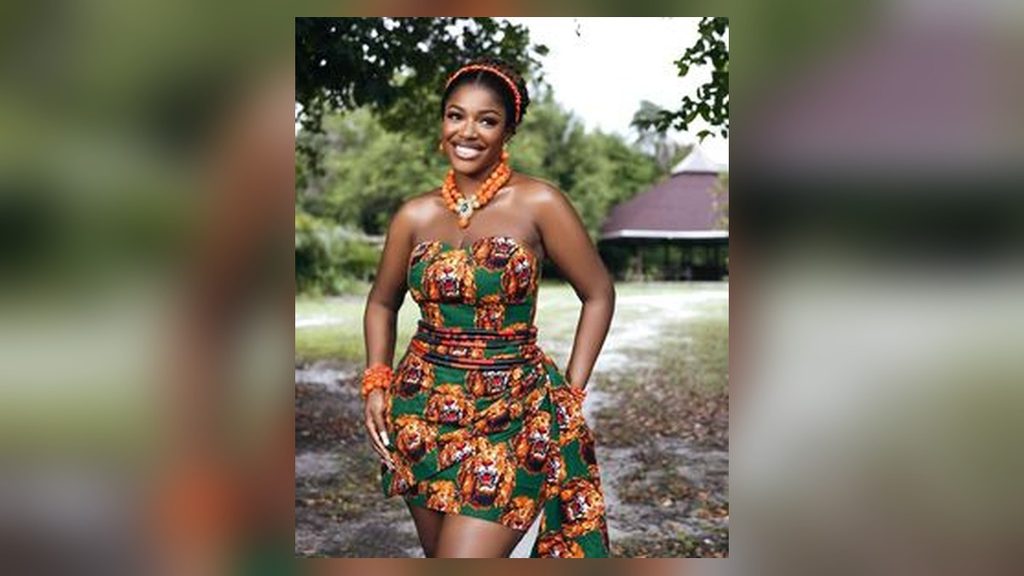
Is she beautiful? Certainly, beauty is one of the popular interpretations associated with the name. But must beauty be limited to physical appearance?
A woman’s worth can also be reflected in her wisdom, courage, kindness, generosity, achievements and ability to inspire others.
Across Igbo communities, women have played important roles in family structures, commerce, agriculture, traditional institutions and community development. Their contributions have helped preserve families, sustain local economies and pass cultural knowledge from one generation to another.
A name that celebrates a woman should therefore invite us to consider the qualities that make her worthy of admiration.
There is also an important contemporary conversation about how women define their own identities. While a husband may affectionately call his wife Achalugo, a woman can also embrace the expression as a celebration of her own worth and individuality.
She does not have to wait for someone else to recognise her value before appreciating who she is.
Keeping the Beauty of Igbo Names Alive
The renewed interest in Achalugo presents an opportunity to revisit other indigenous expressions that may be gradually disappearing from everyday conversations.
Igbo names are cultural records. They preserve memories, communicate values and offer glimpses into how previous generations understood the world around them.
As younger people increasingly encounter their heritage through films, music and social media, there is an opportunity to turn that curiosity into deeper cultural appreciation.
Parents can teach their children the meanings of their indigenous names. Families can preserve oral histories, while communities can document traditional naming practices before important details disappear.
After all, cultural preservation does not mean resisting change. It means understanding what we inherited and deciding what deserves to be carried forward.
Achalugo is a beautiful reminder that sometimes, the most powerful stories are hidden in the names we have always known.
Long before Nollywood brought it into the spotlight, the name already carried a history of admiration and social identity. Today, it has found a new audience, but its deeper cultural story remains worth telling.
And perhaps that is the true beauty of Achalugo: it is not simply a name a woman answers when someone calls her. It is an expression that invites us to celebrate the woman, recognise her worth and remember the culture from which the name came.
READ MORE: We Couldn’t Stop Talking About These Top 10 Viral Moments in Nigeria (2025)

About The Author