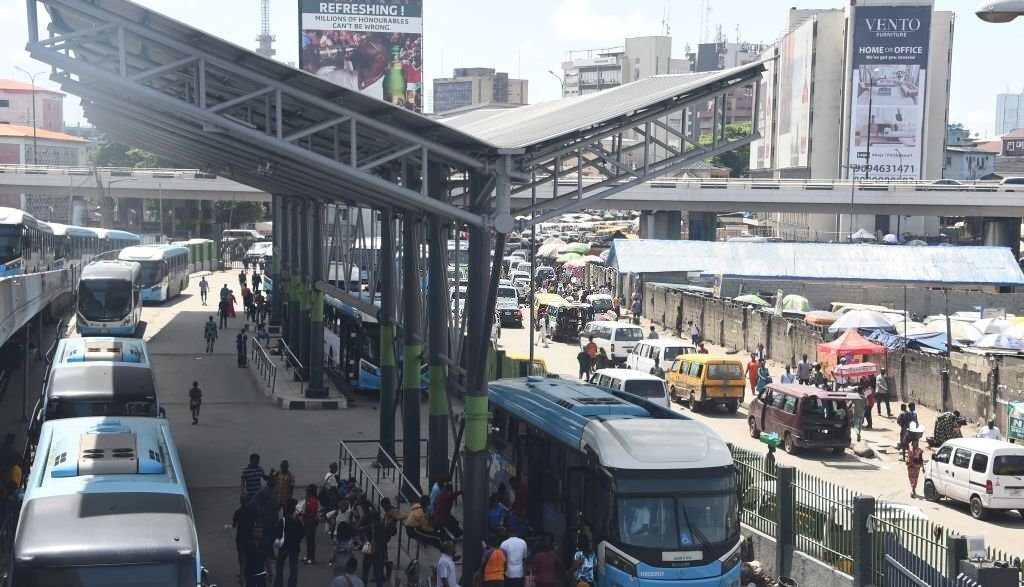
The Lagos Metropolitan Area Transport Authority (LAMATA) has shut the door on new diesel buses in the state’s regulated public transport network. This is meant to steer operators towards compressed natural gas (CNG) and electric models as fuel costs climb.
The Lagos diesel bus ban took effect at the start of 2026, but it is not an outright prohibition. Operators adding buses to the regulated system must now choose CNG or electric vehicles, while existing diesel buses will be replaced gradually.
LAMATA’s Managing Director, Abimbola Akinajo, disclosed the policy at the handover of 20 high-capacity CNG buses under the Presidential Initiative on CNG and Electric Vehicles. 
What the new rules mean for operators
Akinajo said transport is a major source of emissions, and operators bringing in new buses were told LAMATA “will no longer accept diesel buses.”
The announcement does not immediately remove every diesel bus from Lagos roads, but it governs buses entering the regulated network. The long-term plan is for the regulated fleet to run on cleaner energy, with electric buses eventually preferred.
Some existing Bus Rapid Transit (BRT) buses have started gas conversion. New purchases by Lagos Bus Services Limited and private operators are also expected to run on gas.
Before the handover, LAMATA had about 150 CNG buses plus electric buses. The delivery lifts the CNG count to roughly 170, and some units may serve the busy Ikorodu-TBS corridor.
Diesel prices push the transition
Rising costs are a major driver.
Akinajo said diesel climbed from about N950 per litre at the start of the year to between N1,950 and N2,100, depending on the source. She credited the lower running costs of CNG and electric buses with keeping regulated fares unchanged.
Private investment in refuelling stations is also growing across Lagos, with partners such as Ibile Oil & Gas supporting supply.
READ: Labour Unions Set October Strike Over Petrol Price Hike
The shift arrives amid a long-standing bus shortage. In March 2025, LAMATA said Lagos needed about 15,000 buses, yet its operational fleet was only slightly above 1,000. Only 36 of the CNG buses are allocated to operators under LAMATA’s regulatory framework.
Lagos has also yet to announce a fare-reduction scheme under the federal National Affordable CNG Transit Programme, unlike Kwara, Ekiti, Plateau and Enugu.
What commuters can expect from Lagos diesel bus ban
For commuters, the Lagos diesel bus ban means more CNG and electric buses entering regulated routes over time. However, diesel buses will not vanish overnight. The Lagos State Transport Policy targets clean-energy power for 52 per cent of BRT buses by 2050.
Whether bigger fleets translate into shorter queues and cheaper fares is the test ahead.

About The Author