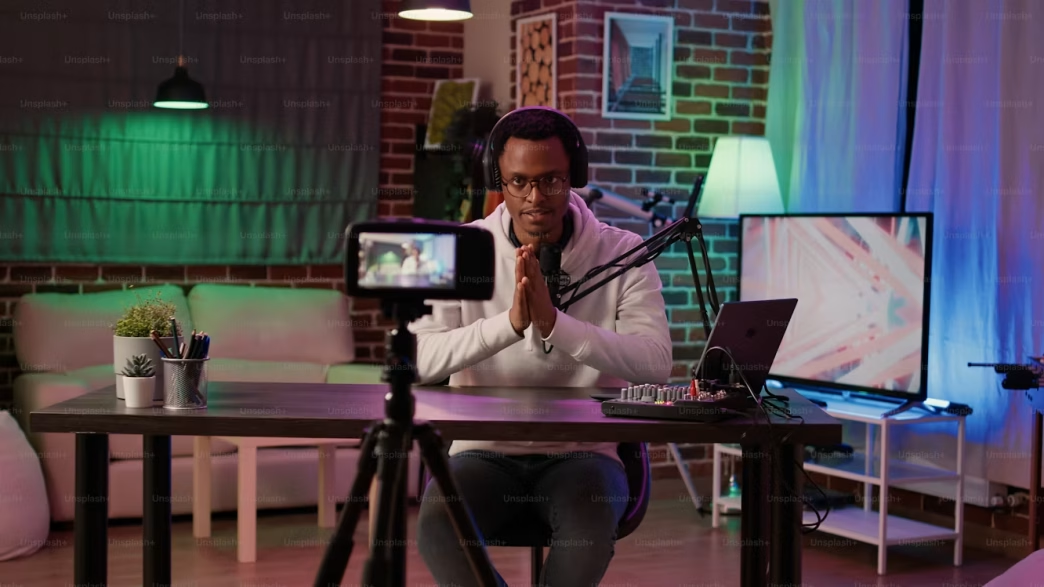
A smartphone, a tripod and a few minutes during a lunch break are all many young professionals need to create content for thousands of followers online.
Across Nigeria, office vlogs have become one of the fastest-growing content trends on TikTok and Instagram, giving viewers a glimpse into corporate life while helping creators build personal brands.
However, the trend has also raised difficult questions for employers about privacy, workplace ethics and confidentiality. 
Those questions came into sharper focus after reports that Nigerian content creator and banker Becca Oluwabukola lost her banking job over workplace TikTok videos.
Office Vlogs are Becoming Part of Nigeria’s Creator Economy
The popularity of TikTok has encouraged thousands of young Nigerians to document their daily lives, including their careers.
Office vlogs have become one of the fastest-growing content formats. Many creators film themselves preparing for work, arriving at the office, organising their desks, taking lunch breaks or ending the workday.
For viewers, the videos provide a glimpse into corporate life.
For creators, they can attract followers, brand partnerships and additional income at a time when many young professionals are searching for new ways to supplement their salaries.
In Nigeria, social media has grown beyond a platform for entertainment. For many young professionals, it has become a way to build a personal brand, earn extra income and explore new career opportunities.
The trend reflects a wider shift in the world of work. According to the International Labour Organization (ILO), digital platforms are opening up new employment and income opportunities for millions of people around the world.
Yet the line between personal branding and professional responsibility is becoming increasingly blurred.
Why Employers Are Becoming More Cautious
Companies are paying closer attention to what employees share online.
In industries such as banking, healthcare, telecommunications and technology, workers handle confidential information every day. Even a short video can unintentionally capture customer records, computer screens, identification cards, restricted areas or internal processes.
For organisations, protecting customer privacy and business information is not optional.
Many employers now include social media guidelines in their workplace policies, reminding staff about confidentiality, data protection and appropriate online conduct.
Breaking those rules can result in disciplinary action or, in some cases, dismissal.
Banking is Especially Sensitive
Banks operate under strict confidentiality requirements.
Customers trust financial institutions with their personal and financial information. That means employees must exercise extra caution when recording videos inside banking halls or office spaces.
Even if a creator has no intention of revealing sensitive information, a few seconds of footage may expose details that should remain private.
This explains why many financial institutions restrict photography and video recording within their premises.
Becca’s Case is Not The First
Becca Oluwabukola’s experience has reminded many Nigerians of other employees who lost opportunities after workplace content went viral.

One of the most widely discussed examples remains the Happie Boys, the former Chicken Republic employees whose viral workplace dance videos eventually led to their dismissal.
Although the circumstances differ, both cases highlight the growing tension between workplace rules and the desire to build an online audience.
As more young professionals embrace content creation, employers are also reviewing how social media affects their businesses.
The Pressure To Build A Personal Brand
Nigeria’s challenging economy has pushed many young professionals to look beyond their monthly salaries.
Social media offers opportunities to earn through brand partnerships, advertising, affiliate marketing and digital entrepreneurship.

For some workers, building a personal brand feels like an investment in their future rather than just a hobby.
However, experts say employees should understand their organisation’s policies before filming workplace content.
Creating videos should never compromise customer privacy, confidential information or workplace security.
Five Things Employees Should Never Post from the Workplace
- Customer information or documents
- Computer screens displaying sensitive data.
- Restricted offices or secure areas.
- Internal meetings without permission.
- Company information protected by confidentiality agreements.
What Nigerians are saying
Becca Oluwabukola’s story has generated mixed reactions on social media, with many Nigerians debating where employers should draw the line between protecting company interests and respecting employees’ personal lives.
Some users sympathised with the content creator, arguing that many young professionals rely on social media to build personal brands and earn extra income in a difficult economy. They said companies should update their workplace policies to reflect the realities of the digital age instead of discouraging responsible content creation.
Others, however, defended the bank’s reported decision. They argued that organisations, especially financial institutions, have a duty to protect customer information, maintain security and preserve public trust. According to this group, employees who choose to film at work must also accept the consequences of violating workplace policies.
Some commentators took a middle ground, saying the incident should serve as a lesson for both employers and employees. While companies should clearly communicate what is permitted, workers should also seek permission before filming in offices or recording content that could reveal sensitive information.
Beyond the debate over one employee’s experience, many Nigerians said the incident reflects a larger challenge facing today’s workforce—how to balance the desire to build a personal brand with the responsibility of protecting an employer’s reputation.
The Future of Office Vlogs
Office vlogs are unlikely to disappear anytime soon.
As Nigeria’s creator economy continues to grow, more young professionals will try to balance corporate careers with content creation.
The challenge for employees is finding that balance without violating workplace policies, while employers must continue adapting to a workforce that increasingly sees personal branding as part of modern career development.
Becca Oluwabukola’s experience is therefore more than a personal story. It reflects a wider conversation about work, technology and the changing ambitions of a new generation of Nigerian professionals.

About The Author