




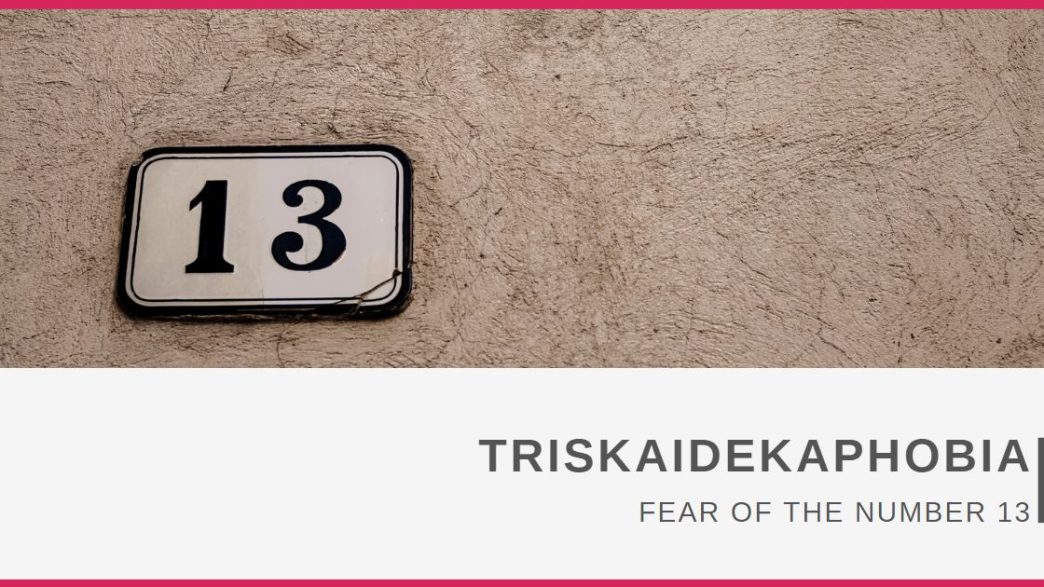
The fear of the number 13 is called triskaidekaphobia. It’s the main reason why hotels skip room 13, and the 13th floor of high-rise buildings is skipped.
There are indeed many superstitious beliefs in Africa, but this belief is widespread enough that developers and hoteliers worldwide treat it as a serious business risk. 
A Gallup poll once found that about 13% of people feel uneasy about staying on the 13th floor. For an industry built on comfort and relaxation, that’s a risk not worth taking.
SEE ALSO: Herbert Wigwe’s Hidden Empire Across 20 Countries
What is it with the Number 13?
The number 13 is known as a symbol of misfortune in Western cultures. A couple of ideas have led to the avoidance of the number in buildings, on airplanes, or on calendars. These stories include:
- Biblical lore: Judas Iscariot, the betrayer, was supposedly the 13th guest at the Last Supper.
- Norse mythology: Loki, the trickster god, crashed a banquet as the 13th guest, leading to chaos and the death of Balder.
- Historical vibes: In some ancient calendars, 13 was associated with lunar cycles or considered incomplete relative to the “perfect” 12 (dozen, apostles, zodiac signs, etc.).
Whatever the main source may be, the number has gained a reputation for bad luck, especially when paired with Friday the 13th.
As time went on, this spilled into everyday life. Hotels, buildings, and even airlines started avoiding it to keep guests happy.
How It Plays Out in Buildings and Hotels
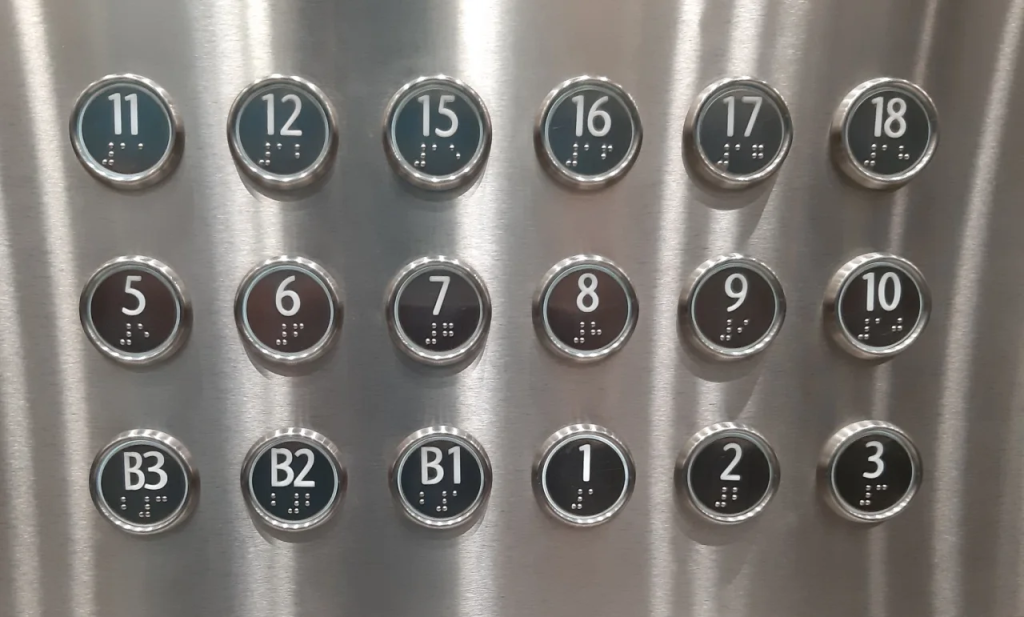
Usually, in buildings, there is a 13th floor; it’s just relabeled. Elevators often jump from 12 to 14, or the level might be called 12A, 12B, or even “M” (as in the 13th letter).
Otis Elevator Company, a major player in high-rises, has noted that 80-90% of their installations in skyscrapers and large hotels skip the 13-button.
Some places take it further by skipping Room 13 entirely or avoiding any room numbers ending in 13.
Guests simply feel more at ease, and occupancy rates stay high. It’s smart business dressed up as tradition.
How It Plays Out in Airlines
Flying already makes many people anxious. In the high-stakes world of aviation, where passenger comfort directly impacts reviews and loyalty, some airlines prefer peace over principle.
Which Airlines Skip Row 13?
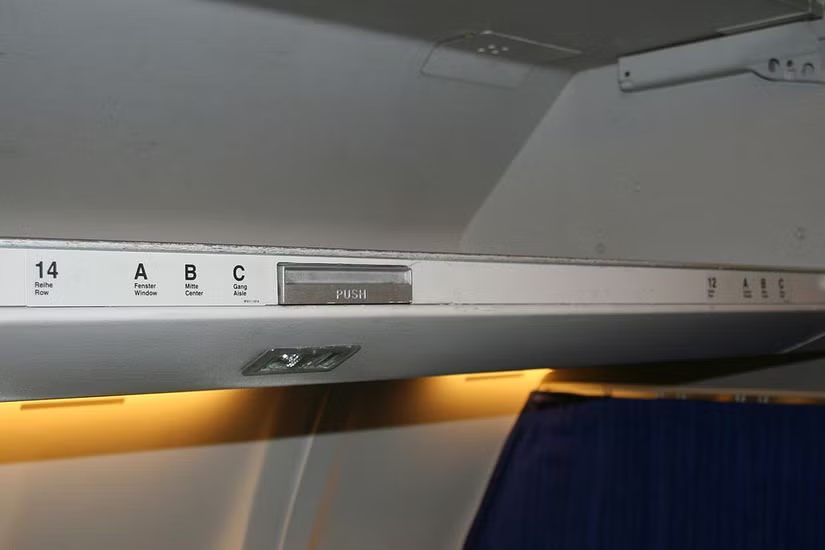
Many major international carriers skip row 13 entirely, jumping from 12 to 14 across their fleet. Some of them include:
- Middle East carriers (big on African routes): Emirates, Qatar Airways.
- European carriers: Air France, Lufthansa (which also skips 17), KLM, Ryanair, and Iberia.
- Asian carriers: Singapore Airlines, Cathay Pacific, and Thai Airways.
EgyptAir notably skips rows 13, 14, and 17 on its aircraft. However, not everyone does. Some African carriers and low-cost operators keep row 13, as do several big U.S. airlines like Delta, American, and Southwest.
Of course, not all buildings, hotels, and airlines play along. Iconic structures like New York’s Empire State Building proudly keep their 13th floor. Some African high-rises and hotels do too, especially those leaning into bold, modern identities over old superstitions. Skeptics argue it’s all psychological and that bad luck only exists if you believe in it.
However, the practice persists because it’s harmless and customer-centric.

About The Author