


For years, communities across Northern Nigeria and the Lake Chad region have lived under the shadow of terrorism. Villages destroyed overnight. Military formations attacked. Families displaced. Children orphaned. Even for people far away from the conflict zones, the fear of another attack has remained a constant part of their existence.
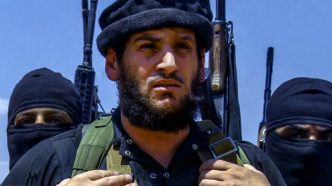
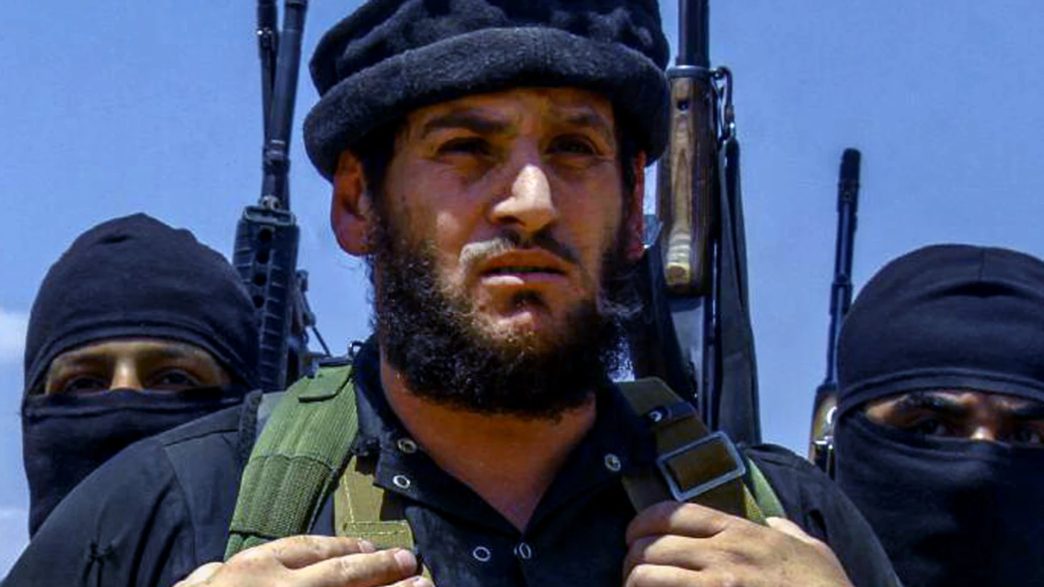
According to statements released by both the Nigerian government and the United States, Abu-Bilal Al-Minuki, described as the second-in-command of ISIS globally and a figure linked to multiple attacks in the North East, was killed during a joint military operation carried out by the Nigerian Armed Forces and the United States Africa Command in the Lake Chad Basin. 
The operation was confirmed overnight through separate statements issued by President Donald Trump, President Bola Ahmed Tinubu, and Nigeria’s Ministry of Foreign Affairs.
In his statement, Trump described the mission as “meticulously planned” and praised both American and Nigerian forces for what he called a flawless operation. He also claimed Abu-Bilal Al-Minuki had continued co-ordinating extremist activities from Africa while helping support broader ISIS operations internationally.
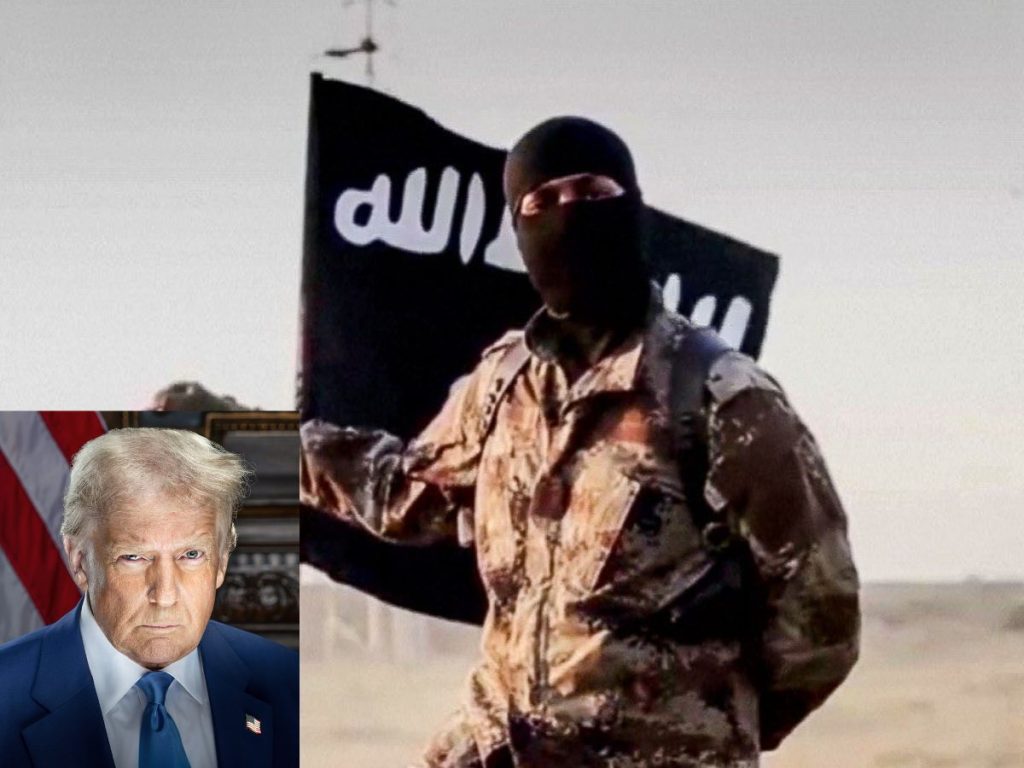
Tinubu, on his part, described the strike as a “significant example of effective collaboration” between Nigeria and the United States in the fight against terrorism. According to the Nigerian president, early assessments showed that several of Al-Minuki’s lieutenants were also eliminated during the operation carried out around the Lake Chad region.
The Nigerian Ministry of Foreign Affairs further stated that the extremist leader had allegedly been responsible for some of the recent attacks on military formations in the North East.
Symbolically, this killing sends a message that senior extremist leaders operating within the region are still being actively tracked despite years of insurgency across parts of West Africa. Strategically, removing a prominent figure within ISIS could temporarily weaken co-ordination, recruitment, and operational planning within affiliated cells operating around the Lake Chad Basin.
This also sends a warning that the death of a high-ranking leader does not automatically end the insurgency itself. Groups linked to ISIS and other extremist networks often re-organise quickly after major losses, replacing commanders and adapting tactics. In regions already struggling with displacement, poverty, porous borders, and humanitarian crises, military victories alone may not completely erase extremist influence.
For many Nigerians, especially those living in communities repeatedly affected by the insurgency, the announcement represents relief, hope, and the possibility that some of the people linked to years of bloodshed are finally being brought down.
The operation establishes the growing security cooperation between Nigeria and the United States at a time when concerns around terrorism across the Sahel and West Africa continue to rise.
What happens next will likely depend on whether security forces can sustain pressure on remaining extremist networks in the region. For now, Nigerian and American officials are presenting the operation as one of the most significant counter-terrorism successes recorded in recent months.
WRITTEN BY LAWANSON REBECCA

About The Author