



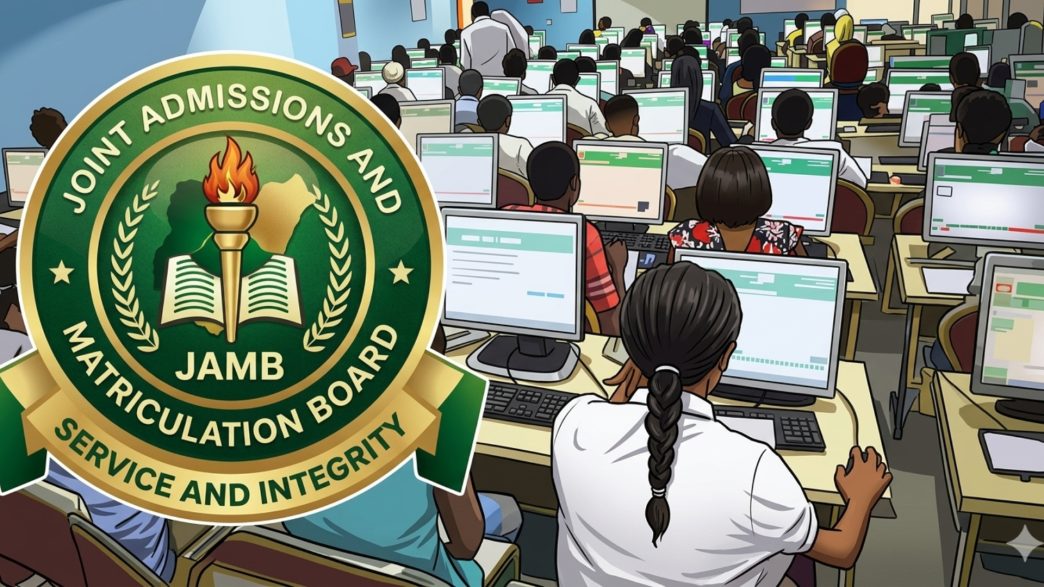
JAMB just lowered the national minimum cut-off marks. The minimum admissible scores for admissions into universities is 150, colleges of nursing, 150; and polytechnics, 100. Are poor standards and scores now rewarded?
There was a time in the Nigerian education system, around 2012 to 2020, when you had to score 200/400 in JAMB to even smell a university. If you scored 199, you didn’t just miss a mark; you missed a future. I remember my sister was suicidal because she scored 189 in JAMB. It wasn’t just a score; it was synonymous with your IQ level.
If you fell short, the doors to federal and state universities slammed shut. It didn’t matter what you wanted to study; even if it was hospitality management, you would either swallow your pride and head to a polytechnic or find a way to fund the high fees of a private university, my sister and parents chose the later. 
ALSO READ: UTME No Longer Required for Some NCE and Polytechnic Admissions: See JAMB’s Other Latest Updates
200 Was Too Low for Law, Engineering, and Medicine
The competition for courses like medicine, law, or engineering meant that even a 200 was often “too low” for top-tier schools like UNILAG or UI. You had to score way above that. If you scored 220, forget about studying medicine at UI; maybe microbiology.
This elitism may seem brutal, many young people had to stay at home for years because of their JAMB scores or study courses they didn’t like, but it was important to maintain a standard. Think of it: you chose four subject to study, and you had the JAMB syllabus and recommended texts. What is the excuse for getting 100/400?
While the authorities argue that this move provides “flexibility” and allows individual institutions to set their own standards based on capacity, it feels wrong.
The “crime” of scoring less than 200 may have been harsh, but it caused a culture of intense preparation. By making the university gate so easy to swing open, we risk telling a generation that “average” is the new “excellent”.
Education should be inclusive, yes, but it should also be something one strives for. When we look back at the 2012–2020 era, we might remember the stress, but we should also remember the value we placed on the title of “undergraduate”.
The reduction in cut-off marks raises a painful question: are we expanding who can get an education or devaluing the degree?

About The Author