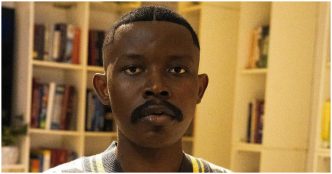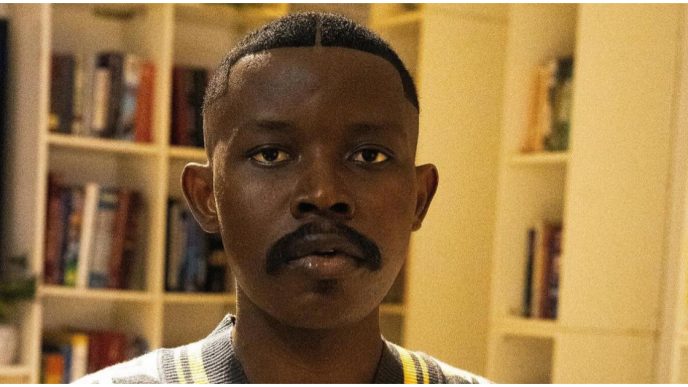

There is something you need to understand about Michael Eneramo before you understand what happened on Friday morning in Kaduna. This was not a man who drifted away from football when the professional contracts dried up. This was not a man who quietly disappeared into retirement and let the game become a memory. When his playing days ended, Eneramo went home to Kaduna, found a local pitch at a primary school in Ungwan Yelwa, and kept showing up. He was running a football academy. He was mentoring young players. He was doing the thing he had always done, moving forward, pressing, refusing to stop.
That quality had a name during his professional years. At Espérance Sportive de Tunis, where he became one of the most prolific foreign strikers in the club’s history, the fans called him Al Dababa. (The Tank). He scored 51 league goals in 86 appearances for the Tunisian giants, not with elegance or flair, but with force, with will, with the kind of relentless energy that made defenders dread facing him. The nickname was not just about his physique. It was about the way he played. He did not stop. He never stopped.
On Friday, April 24, 2026, at 40 years old, on that same local pitch he had been going to since he came home, Michael Eneramo finally did. 
A Career Built on Refusing to Quit
Eneramo was born on November 26, 1985, in Kaduna. He began his football journey with Lobi Stars before moving abroad, building a career that took him across Tunisia, Algeria, Saudi Arabia, Turkey, and Cyprus. For a boy from Kaduna, that journey was not handed to him. Every club, every country, every contract was earned through the same thing he brought to every match, sheer determination.
He earned 10 caps for the Super Eagles, having turned down an opportunity to represent Tunisia internationally. The choice was straightforward for him. Nigeria was home. He made his debut against Jamaica in London in 2009 and scored his first international goal against the Republic of Ireland in a 1-1 draw later that year.
His most memorable contribution in green came during the 2010 World Cup qualifiers, when he scored a crucial goal against Tunisia in Abuja that helped Nigeria secure their place at the tournament in South Africa. It was exactly the kind of goal you would expect from a man nicknamed The Tank, important, physical, and delivered when it mattered most.
Across his entire professional career, Eneramo scored 110 goals in 262 club appearances. He played for Beşiktaş, Istanbul Başakşehir, Sivasspor and others across Turkey. He played in Algeria and Saudi Arabia. He kept going until 2018, when he finally hung up his boots professionally. And then he came home and kept going anyway.
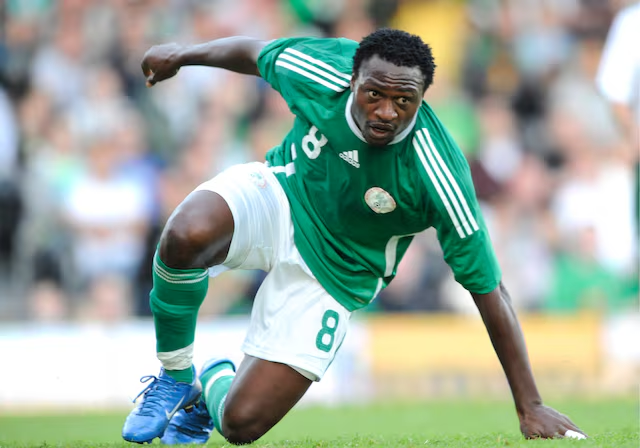
The Pitch He Never Left
After retirement, Eneramo returned to Kaduna and set up a football academy, dedicating his time to developing young players in the community that raised him. The primary school pitch in Ungwan Yelwa became his regular spot, not for nostalgia, but because he genuinely could not stay away from the game.
On Friday morning he was playing in a friendly match. He completed the first half. Five minutes into the second, he collapsed on the pitch. Teammates resuscitated him immediately and rushed him to hospital. Doctors pronounced him dead at the entrance. The NFF confirmed a suspected cardiac arrest as the cause of death.
He was doing what he had always done. Showing up. Keeping fit. Staying close to the game. The Tank, still moving, until he wasn’t.
SEE ALSO: Nigeria Wants William Osula and the Timing Could Not Be Better
What He Leaves Behind
NFF General Secretary Dr Mohammed Sanusi described the loss as devastating. “Eneramo was a committed patriot who served Nigeria with pride and passion,” he said. Tributes poured in from across the football community, from former teammates, from fans in Tunisia who still remembered the goals, from young players in Kaduna who knew him not as a Super Eagles striker but as the man who came to their pitch and believed in them.
That is the full picture of Michael Eneramo. Not just the 110 goals or the 10 caps or the nickname the Tunisian fans gave him. But the man who came home, found a local pitch, and kept running, because for him, football was never really about what it could give him. It was just who he was.
The Tank never stopped. Even at 40, on a quiet Friday morning in Kaduna, he was still moving forward.

About The Author